People have always been passionate about their favorite sports teams. On January 11, 532, a quarrel that began among rival chariot-racing factions in the Hippodrome of Constantinople erupted into one of the most violent urban uprisings of antiquity: the Nika riots. What started as partisan rivalry between the Blues and the Greens—the city’s dominant racing “demes”—quickly fused with deep political grievances, transforming sport into sedition and spectacle into civil war.
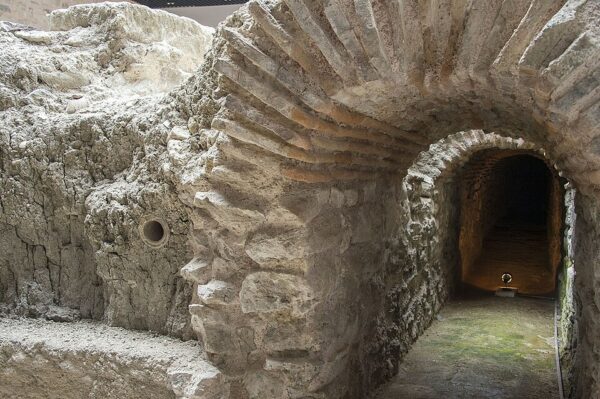
Chariot racing was no mere entertainment in sixth-century Constantinople. The Hippodrome of Constantinople sat at the heart of imperial life, adjoining the Great Palace and serving as a venue where emperors faced the people. The Blues and Greens functioned as mass organizations, mobilizing neighborhood loyalties, patronage networks, and ideological leanings. By the reign of Emperor Justinian I, their rivalries had grown combustible—especially as fiscal pressure, legal reforms, and aggressive anti-corruption campaigns bred resentment among elites and crowds alike.
The immediate spark came during races in early January. Arrests following earlier disturbances had condemned several faction members to execution. When two men—one Blue, one Green—survived a botched hanging, crowds pleaded for mercy. Justinian’s refusal hardened sentiment. On January 11, as races resumed, chants for clemency turned into the rallying cry “Nika!”—“Conquer!”—a slogan that merged factional zeal with political defiance.
Violence cascaded outward from the Hippodrome. Mobs torched buildings, including the old Hagia Sophia, and battled imperial troops. Senators hostile to Justinian’s reforms sensed opportunity, elevating a rival claimant, Hypatius, and pushing the revolt toward outright regime change. For days, Constantinople burned. Justinian reportedly considered flight, the palace besieged and authority seemingly crumbling.
At the crisis point, the resolve of Empress Theodora proved decisive. According to later accounts, she rejected retreat with a speech that framed imperial dignity as inseparable from survival—“purple,” she insisted, “is the noblest shroud.” Whether apocryphal or not, the episode captures a real shift: the court chose ruthless restoration over compromise.
The counterstroke was swift and brutal. Imperial generals Belisarius and Mundus sealed the Hippodrome exits and unleashed troops on the assembled rebels. Contemporary sources estimate tens of thousands—often cited as around 30,000—were killed in a single afternoon. Hypatius was executed. The demes were broken, their leaders crushed, and public order restored through terror.

In the aftermath, Justinian consolidated power. The destruction cleared space for rebuilding on an unprecedented scale, including the construction of the magnificent new Hagia Sophia, intended to proclaim divine favor and imperial mastery. Administratively, the emperor tightened control over the factions, curbed their political leverage, and pressed forward with his legal codification and ambitious foreign campaigns.
The Nika riots endure as a warning about the volatility of mass politics in a capital where entertainment, identity, and power intersected. What unfolded on January 11 was not a spontaneous riot alone but the ignition of long-simmering tensions—economic strain, elite rivalry, and the dangerous intimacy between ruler and crowd. In Constantinople’s Hippodrome, cheers could become judgments, and a chant could become a revolution.