On March 14, 1900, President William McKinley signed the Gold Standard Act, ending one of the fiercest monetary fights in American history and formally placing the nation’s currency on the gold standard. The law did not invent America’s attachment to gold out of thin air; gold had long functioned as a central part of the financial system. But the act mattered because it settled, in statutory form, a question that had consumed elections, divided regions, and stirred populist revolt: What, exactly, should stand behind the American dollar?
That question was not merely technical. It was political, sectional, and moralized. In the late nineteenth century, arguments over money became arguments over who the country was for. Creditors, bankers, industrial interests, and many eastern Republicans tended to favor “sound money,” meaning a dollar firmly tied to gold and protected from inflation. Farmers, debtors, silver miners, and populists often backed free silver, hoping that expanding the money supply through silver coinage would raise prices, ease debts, and loosen the grip of financial elites. Beneath the jargon lay a familiar American conflict: stability for the established versus relief for the strained.
The background to the act stretched back decades. The Coinage Act of 1873 had effectively ended the standard silver dollar, a move critics later condemned as the “Crime of ’73.” As prices fell in the post-Civil War decades, indebted farmers and laborers felt the pressure acutely. A dollar that held its value might please lenders, but it made repayment harder for those whose crops or wages brought in less cash. Monetary policy, in other words, was never just about bullion reserves in Washington vaults. It reached into barns, rail depots, banks, and dinner tables.
By the 1890s the fight had become explosive. The Panic of 1893 deepened unemployment and financial distress, while repeated runs on the Treasury’s gold reserves intensified fears that the government could not maintain redemption of paper currency in gold. Meanwhile, the silver cause surged. No speech captured that insurgent energy more dramatically than William Jennings Bryan’s famous 1896 “Cross of Gold” address, which cast the gold standard as an instrument of oppression. Bryan lost the election to McKinley, but the force of his campaign showed how unsettled the issue remained. Monetary debates were not the hobby of economists; they were mass politics.
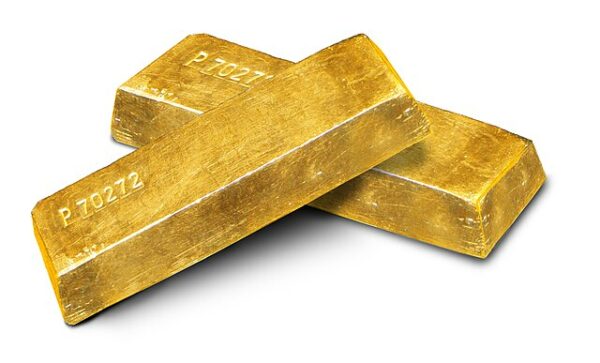
The Gold Standard Act was Washington’s answer. It declared that the standard unit of value in the United States would be the gold dollar, consisting of 25.8 grains of gold nine-tenths fine, and it committed the government to maintaining parity among all forms of U.S. money. Paper currency and silver coins would continue to circulate, but their value would be anchored to gold. The law also strengthened the national banking system by making it easier for banks to issue notes backed by government bonds. In effect, the act sought both clarity and confidence: clarity about the dollar’s foundation, confidence that the government would defend it.
Supporters hailed the law as a triumph of order and credibility. In an era of growing industrial power and expanding international trade, a gold-based currency promised predictability. It reassured investors, aligned the United States with other major economic powers, and signaled that the country intended to operate as a first-rank financial nation. For Republicans, it also represented vindication after years of Democratic and Populist agitation.

Yet the law’s deeper significance lies in what it revealed about the age. The Gold Standard Act was not simply a financial reform. It marked the victory of one vision of American capitalism at the dawn of the twentieth century—disciplined, creditor-friendly, internationally minded, and increasingly centralized. The old silver rebellion did not disappear overnight, but March 14, 1900, made clear which side had won.
That victory, of course, was not permanent. The United States would later move away from gold in stages during the crises of the twentieth century. But on that March day in 1900, the country chose firmness over flexibility and orthodoxy over inflationary experiment. The dollar had found its anchor, and America’s long monetary war had, for the moment, been decided.