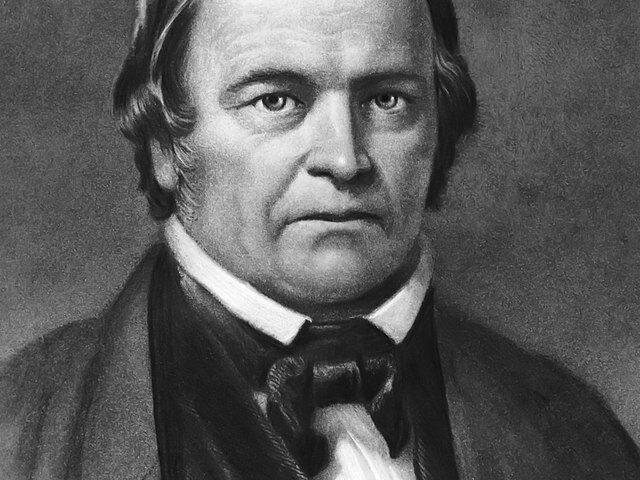

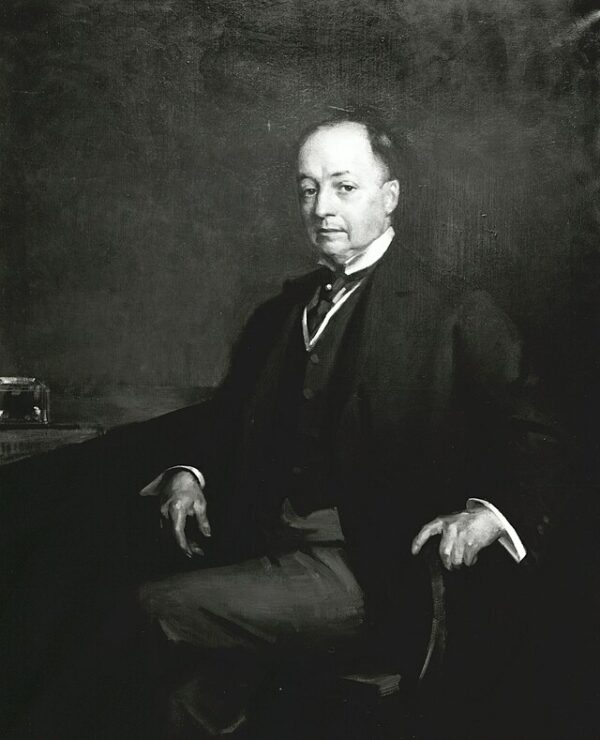
On March 4, 1909—the same day he took the oath of office—President William Howard Taft faced an awkward constitutional puzzle. The man he wanted as secretary of state, Philander C. Knox, appeared to be barred from the job by the very document Taft had sworn to uphold. The obstacle lay in the Ineligibility Clause of the United States Constitution, a safeguard designed by the framers to prevent members of Congress from voting themselves into newly created—or newly enriched—executive offices.
The clause, found in Article I, Section 6, states that no senator or representative may be appointed to a federal office that was created, or whose salary was increased, during the time for which that member of Congress had been elected. The rule was intended to guard against corruption and self-dealing. If legislators could raise the salary of a position and then step directly into it, the temptation to manipulate government offices for personal gain would be obvious.
In Knox’s case, the problem was not theoretical. Knox, a powerful Republican senator from Pennsylvania and former attorney general under President William McKinley, was widely respected as one of the nation’s most formidable legal minds. Taft wanted him at the helm of American diplomacy. Yet during Knox’s Senate term, Congress had approved an increase in the salary for the secretary of state—from $8,000 to $12,000 per year. That change appeared to trigger the constitutional prohibition.
The dilemma produced a constitutional workaround that would later become known as the “Saxbe fix.” In 1909, however, the phrase did not yet exist. The concept was simple: if the salary increase created the constitutional problem, Congress could simply undo the increase before the appointment took effect.
And that is exactly what lawmakers did.
Shortly before Taft’s inauguration, Congress passed legislation reducing the secretary of state’s salary back to its previous level. By rolling back the pay increase, lawmakers argued, they had effectively erased the constitutional violation. With the office’s compensation restored to what it had been before Knox’s Senate term began, the restriction no longer applied.
On March 4, Taft nominated Knox, and the Senate promptly confirmed him.
The maneuver was controversial even at the time. Critics argued that the constitutional language was clear: if the salary had been increased during a senator’s term, the appointment was barred regardless of any subsequent rollback. To them, the congressional fix looked like a clever legal fiction—an attempt to obey the letter of the Constitution while sidestepping its spirit.
Supporters countered that the purpose of the clause was to prevent lawmakers from benefiting from offices they had enriched. If the salary increase had been removed before the appointment, Knox would receive no personal gain from the earlier congressional action. In their view, the constitutional danger had been neutralized.
The dispute foreshadowed a recurring constitutional debate that would appear again and again throughout the twentieth century.
Decades later, the same maneuver was used when President Richard Nixon sought to appoint Senator William Saxbe as attorney general in 1973. Congress once again rolled back the salary increase for the office before the appointment. That episode gave the workaround its modern name—the “Saxbe fix.”
Since then, the tactic has been invoked multiple times when presidents sought to appoint sitting members of Congress to cabinet positions affected by recent salary increases. Each instance has revived the same constitutional argument first aired during Taft’s presidency: whether such rollbacks genuinely satisfy the Ineligibility Clause or merely provide a procedural escape hatch.
The Knox appointment remains the earliest and most famous example.

In practice, the workaround reflects a broader truth about the American constitutional system. The framers designed a structure filled with guardrails against self-dealing, but they also created a government capable of adapting through legislation and interpretation. The Saxbe fix occupies that gray area where constitutional text, political necessity, and institutional flexibility intersect.
For Taft, the calculation was straightforward. Knox was too valuable to leave outside the administration, and Congress was willing to cooperate in clearing the constitutional hurdle. The rollback passed, the appointment proceeded, and Knox went on to serve as secretary of state from 1909 to 1913.
Yet the episode left behind a lasting constitutional question—one that scholars still debate more than a century later. Did Congress faithfully uphold the framers’ intent, or did it simply discover a clever loophole?
Either way, on that March day in 1909, a constitutional constraint met political ingenuity—and the Saxbe fix entered the American governing playbook.