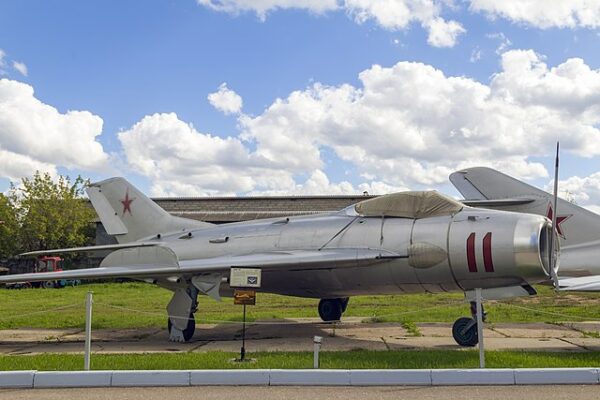
In April 1953, as aerial battles continued to rage fiercely over Korea, the United States military launched an ambitious psychological warfare campaign designed to destabilize enemy morale and gain a strategic intelligence advantage. This unusual operation, codenamed Operation Moolah, was aimed squarely at communist…
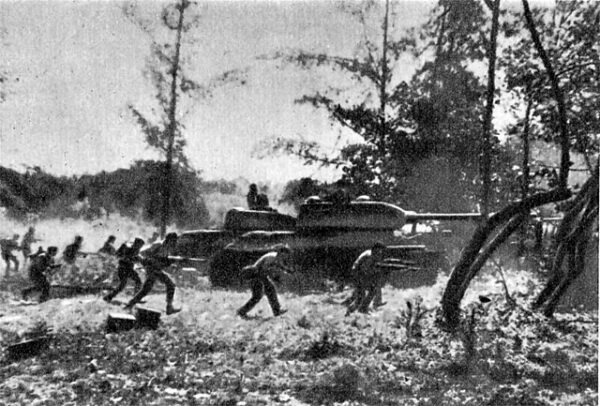
Read MoreThe Bay of Pigs Invasion of April 17, 1961, stands as a defining moment in American Cold War history and served as one of the lowest moments in the presidency of John F. Kennedy. Kennedy launched the clandestine mission with the aim of overthrowing…
Read MoreOn April 4, 1949, the creation of North Atlantic Treaty Organization (NATO) marked a pivotal moment in international relations and global security. Emerging from the tumultuous aftermath of World War II, NATO was founded on the principles of collective defense, mutual assistance, and the…
Read MoreOn February 21, 1972, U.S. President Richard Nixon undertook a groundbreaking journey that would reshape global geopolitics: his visit to the People’s Republic of China. This unprecedented diplomatic effort aimed to normalize relations between two nations that had been ideological rivals since the Communist…
Read MoreOn February 16, 1959, Fidel Castro formally assumed the office of Prime Minister of Cuba, six weeks after the flight of Fulgencio Batista ended his military-backed regime. Batista had ruled Cuba as an elected president in the early 1940s. But after seizing power in…
Read MoreOn December 26, 1991, the world changed when the Soviet Union officially came to an end, marking the official end of the Cold War, which had gripped the world for nearly five decades. The dissolution of the Soviet Union was a complex process, culminating…
Read MoreOn November 9, during the height of Cold War tensions between the United States and the Soviet Union, NORAD (North American Aerospace Defense Command) computers and the Alternate National Military Command Center at Fort Ritchie, Maryland, sounded a chilling alarm. The automated systems detected…
Read MoreThe Suez Crisis, also known as the Second Arab-Israeli War or the Tripartite Aggression, began on October 29, 1956, when Israeli forces invaded Egypt’s Sinai Peninsula, sparking a global diplomatic and military confrontation with implications that rippled throughout the Middle East and beyond. The…
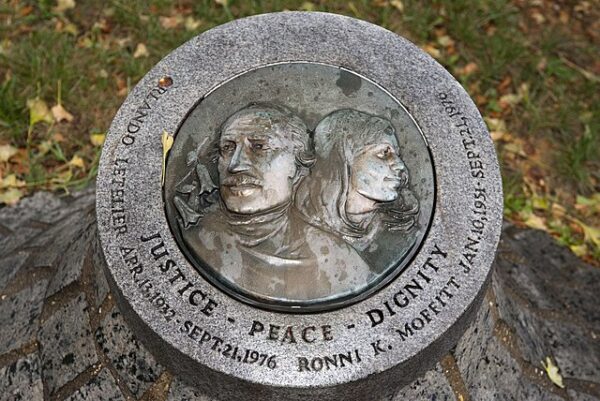
Read MoreRush-hour traffic on Massachusetts Avenue was just beginning to thicken when a thunderous blast tore through Sheridan Circle in Washington, D.C. on September 21, 1976. A car carrying Orlando Letelier, a former Chilean ambassador and outspoken critic of General Augusto Pinochet’s military regime, erupted…
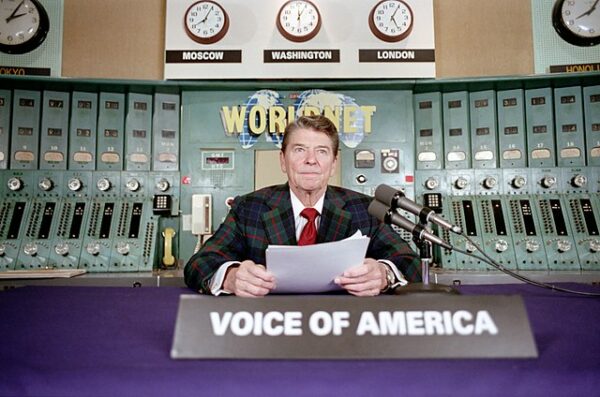
Read MoreIt was a joke that put everyone on edge. On August 11, 1984, during a routine sound check before his weekly Saturday radio address, President Ronald Reagan made a remark that would become one of the most infamous gaffes of his presidency. Testing the…
Read More