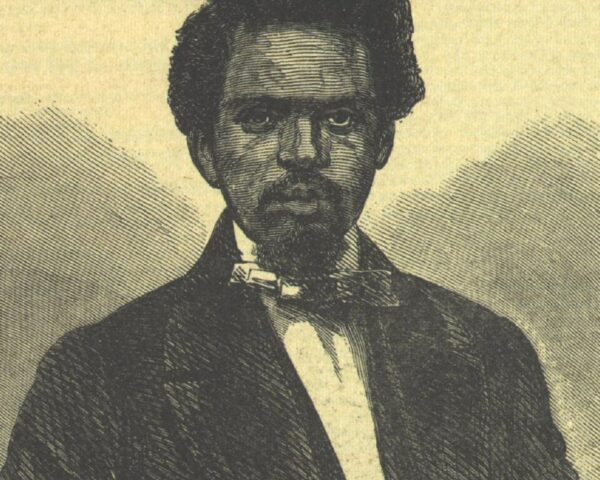
On May 13, 1862, Robert Smalls turned the logic of slavery against the Confederacy. Smalls was 23 years old, enslaved in Charleston, South Carolina, and working aboard the Planter, a Confederate transport steamer used to move troops, supplies, ammunition, and artillery through Charleston Harbor.…
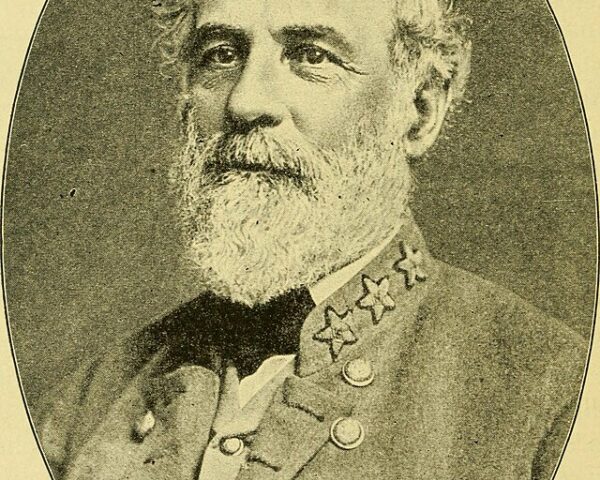
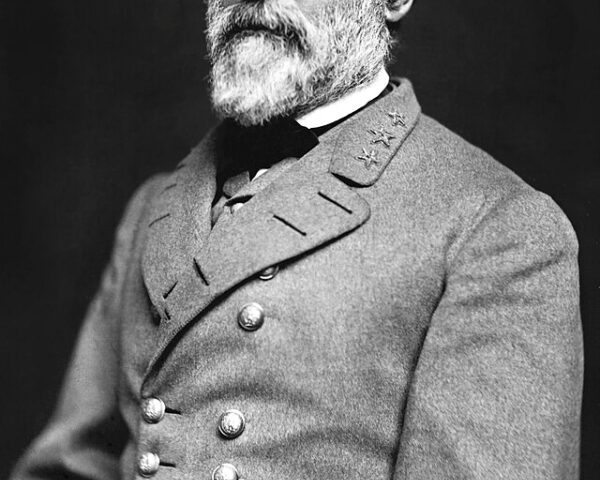
Read MoreOn April 20, 1861, just days after the outbreak of the American Civil War, Colonel Robert E. Lee resigned his commission in the United States Army, ending more than three decades of federal service and setting in motion one of the most consequential personal…
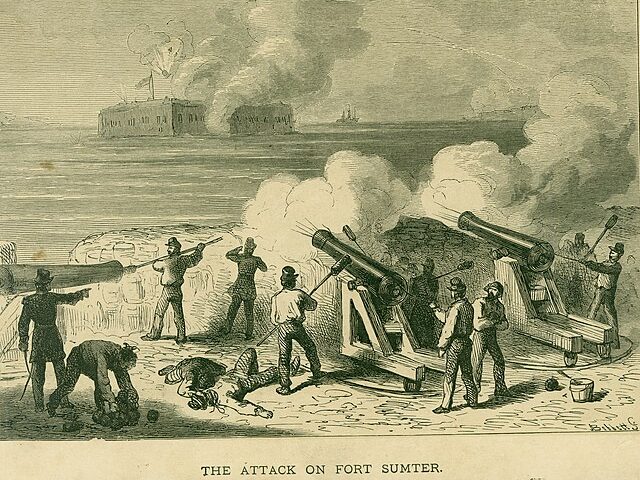
Read MoreThe Battle of Fort Sumter marked the igniting point of the American Civil War, a cataclysmic conflict that tore the nation apart. Situated on an island at the entrance to Charleston Harbor, South Carolina, Fort Sumter held strategic significance as a federal stronghold in…
Read MoreOn March 19, 1965, an underwater archaeologist by the name of E. Lee Spence found the wreckage of the CSS Georgiana, a Confederate blockade runner that was sunk by the Union on the same date 102 years before.   Ofren called the “mystery ship of the…
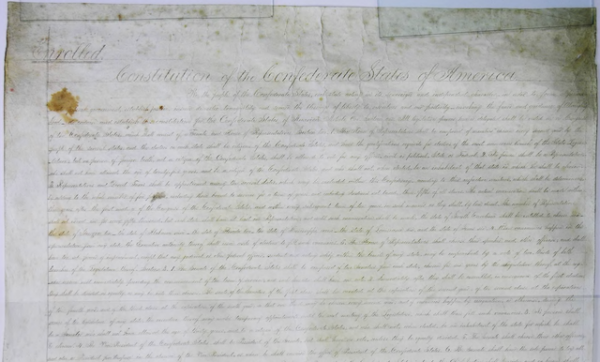
Read MoreOn March 11, 1861, in Montgomery, Alabama, delegates from the seceded Southern states adopted the Constitution of the Confederate States of America, a document that at once resembled and diverged from the United States Constitution it sought to replace. Written in the opening weeks…
Read MoreOn January 31, 1865, Robert E. Lee was appointed general-in-chief of all Confederate armies, a decision that came during the final, desperate months of the American Civil War. By this point, the Confederacy was struggling against relentless Union advances, and its military situation was…
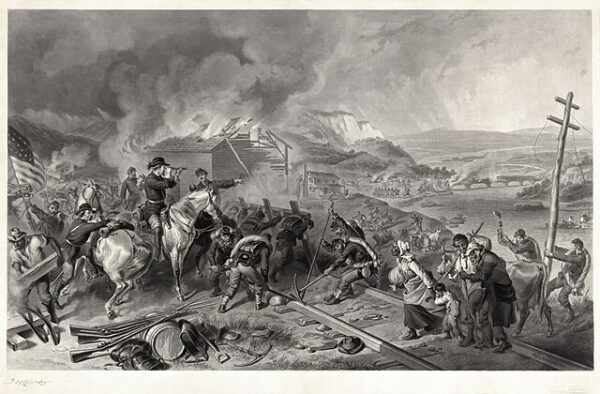
Read MoreSherman’s March to the Sea was a military campaign conducted by Union General William Tecumseh Sherman during the American Civil War. The campaign took place from November 15 to December 21, 1864, and it was a significant and controversial aspect of the Union’s strategy.…
Read More