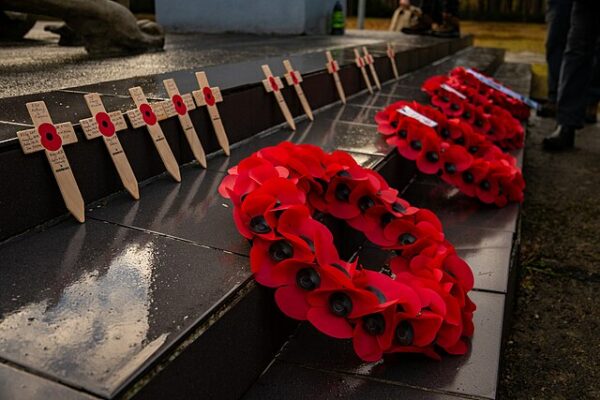
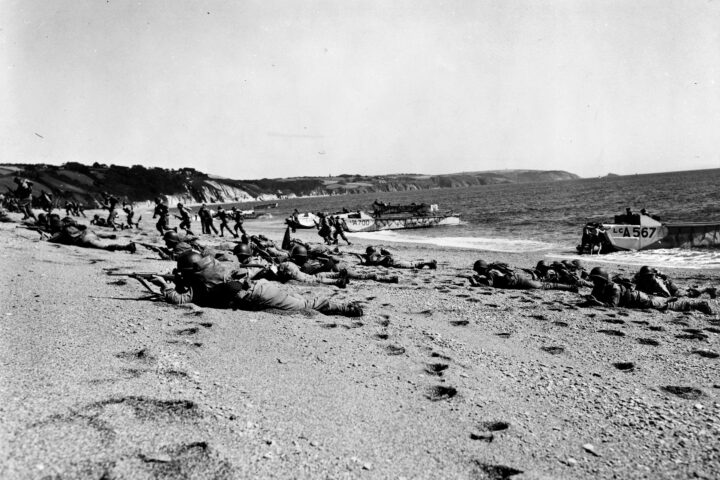
In the early hours of April 28, 1944, a training exercise off the southern coast of England turned into one of the deadliest friendly-fire-adjacent disasters of World War II, exposing vulnerabilities that would be quietly corrected before the Allied invasion of Normandy just weeks…
Read MoreIn the final months of World War II in Europe—when Nazi forces, though weakening, still held dangerous power—March 24, 1944, marked a bold act of resistance. On that night, seventy-six Allied prisoners escaped from Stalag Luft III, a German-run prisoner-of-war camp in Sagan, Lower…
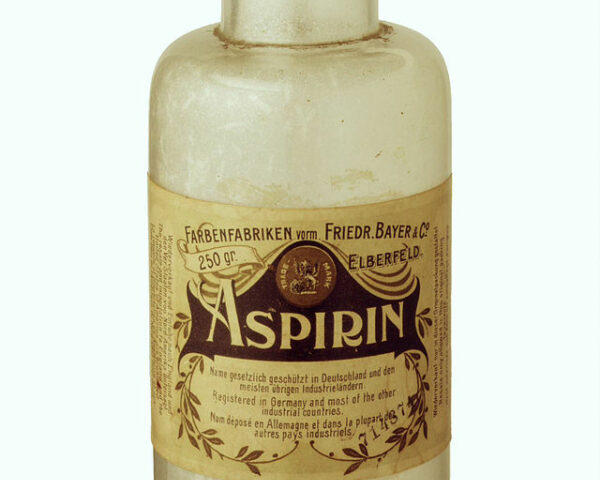
Read MoreThe history of Bayer’s aspirin is a tale of scientific innovation, medical breakthroughs, and the evolution of a globally recognized brand. Aspirin, originally known as acetylsalicylic acid, has its roots in the late 19th century, and its journey is closely tied to the German…
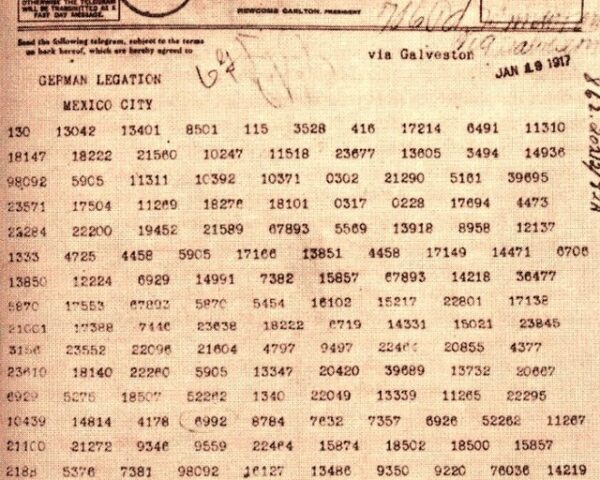
Read MoreOn March 1, 1917, Americans learned that Germany had urged our neighbor to attack the United States. The Zimmerman Telegram hit the front page of newspapers and became a turning point in World War I. The telegram, originally sent by German Foreign Minister Arthur…
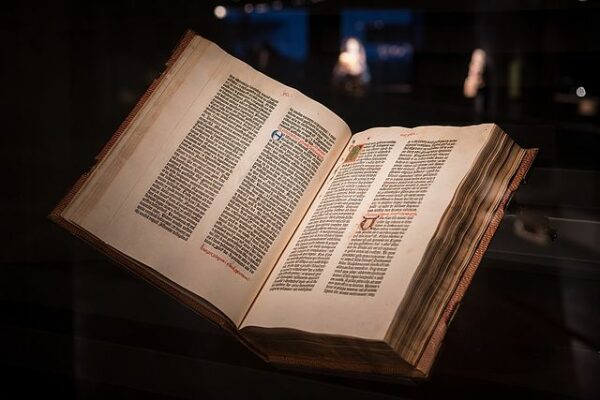
Read MoreOn February 23, 1455, the world of reading, and religion, changed forever when Johannes Gutenberg printed his first book–the Bible. This seminal work marked the advent of movable-type printing in Europe, revolutionizing the dissemination of knowledge and laying the foundation for the modern book…
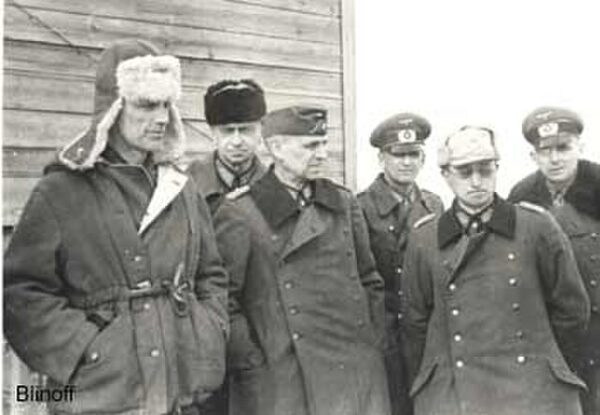
Read MoreOn January 31, 1943, the German military catastrophe at Stalingrad reached its irrevocable conclusion. That day, Friedrich Paulus, commander of Germany’s Sixth Army, surrendered the southern pocket of his trapped forces to the Soviet Red Army. Two days later, the remaining German units in…
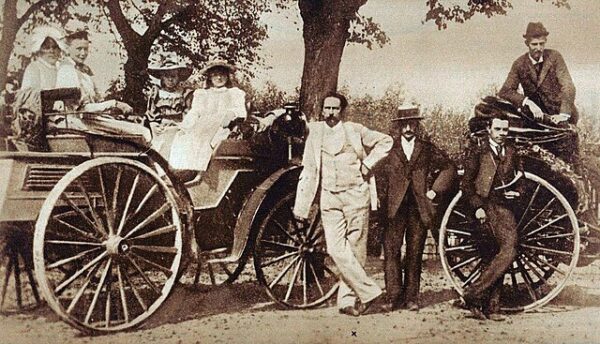
Read MoreOn January 29, 1886, a German engineer named Karl Benz quietly filed a patent that would help remake the modern world. The document, submitted to the Imperial Patent Office in Berlin, described a “vehicle powered by a gas engine.” It carried little fanfare at…
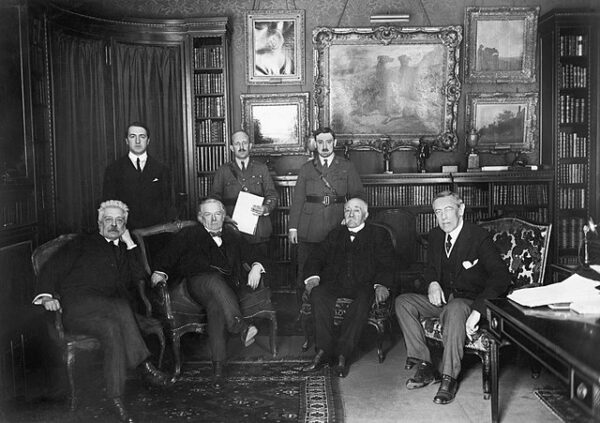
Read MoreOpening on January 18, 1919, The Paris Peace Conference, following the end of World War I, was a historic gathering that aimed to reshape the world order and establish lasting peace in the aftermath of horrifying destruction. Attended by leaders of the Allied Powers,…
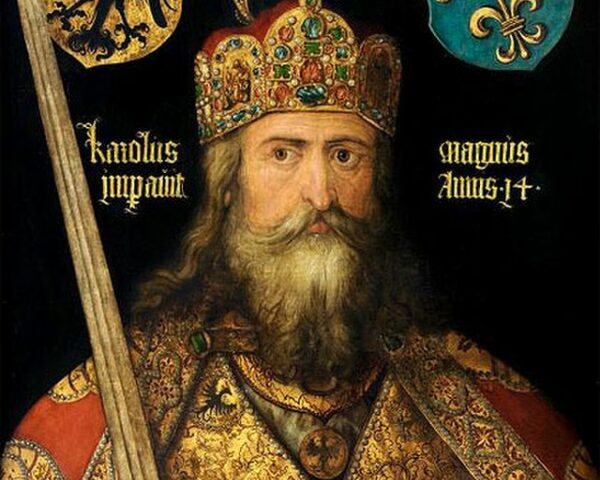
Read MoreOn December 25, 800 AD, in the grand Basilica of St. Peter in Rome, Charlemagne, the King of the Franks, was crowned Holy Roman Emperor by Pope Leo III. This pivotal event not only reshaped European history but also established the political and cultural…
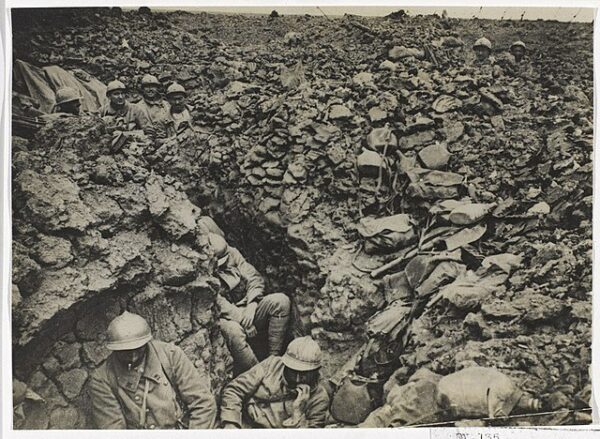
Read MoreThe Battle of Verdun, one of the most grueling and catastrophic battles of World War I, came to an end on December 18, 1916. After ten months of relentless combat, the second French counteroffensive successfully pushed German forces back by two to three kilometers,…
Read More