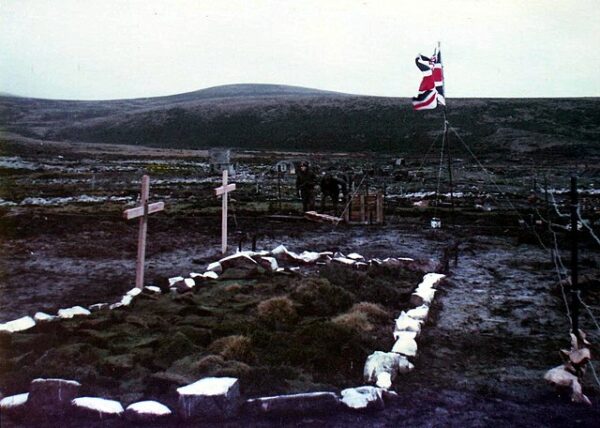
On March 19, 1982, a small and seemingly obscure landing on a remote sub-Antarctic island set in motion one of the last conventional wars of the late Cold War era. That morning, a group of Argentine personnel—nominally scrap metal workers but accompanied by military…
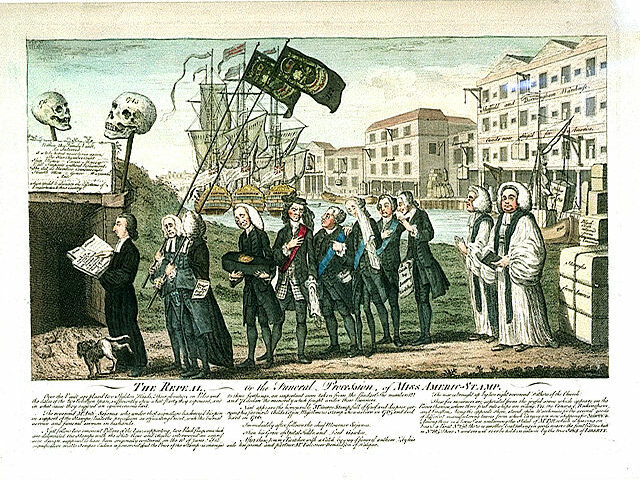
Read MoreOn March 18, 1766, the British Parliament retreated—reluctantly, strategically—from one of the most consequential miscalculations of its imperial administration: the Stamp Act. Barely a year after its passage, the law had ignited a colonial resistance that revealed, with startling clarity, the limits of parliamentary…
Read MoreOn March 1, 1917, Americans learned that Germany had urged our neighbor to attack the United States. The Zimmerman Telegram hit the front page of newspapers and became a turning point in World War I. The telegram, originally sent by German Foreign Minister Arthur…
Read MoreOn January 9, 1916, the Battle of Gallipoli ended with a decisive Ottoman victory, marking a pivotal moment in World War I. This campaign, spanning from April 25, 1915, to January 1916, represented a daring but unsuccessful Allied attempt to seize control of the…
Read MoreThe United States became independent on July 4, 1776, but it did not become free from the British until November 30, 1782. The Treaty of Paris, preliminarily signed on that date and sent to both countries for final approval, marked the official end of…
Read MoreOn a damp, gray Tuesday evening that did little to distinguish itself from any other in the British capital, a quiet technological revolution began. At precisely 6:00 p.m., the British Broadcasting Company — a consortium of leading wireless manufacturers — officially launched its first…
Read MoreOn November 8, 1861, the Abraham Lincoln and Secretary of State William Seward found themselves caught in one of the most important diplomatic conflicts during the Civil War. Called the “The Trent Affair,” the incident involved the interception of a British mail steamer, the RMS Trent,…
Read MoreRemember, Remember the 5th of November, Gunpowder, treason and plot. It’s the beginning of a poem that children all over Great Britain sing as every November 5 the nation lights up in fireworks and bonfires. Unlike the United States, where Americans celebrate the birth…
Read MoreOn November 2, 1917, amid the upheaval of the First World War, the British government issued a letter that would alter the course of modern history—the Balfour Declaration. In just sixty-seven words, Britain became the first great power to formally endorse the establishment of…
Read MoreOn October 25, 1924, just four days before Britain’s general election, The Daily Mail published a sensational document that would become one of the most infamous political forgeries in modern history—the so-called Zinoviev Letter. Purporting to be a directive from Grigory Zinoviev, head of…
Read More