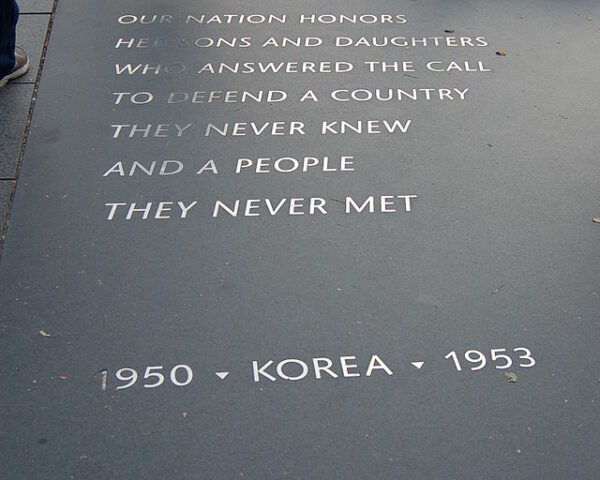
On June 25, 1950, North Korean forces crossed the 38th parallel in a coordinated and well-planned assault, sparking the Korean War. The invasion was a surprise, catching South Korean and American forces off guard. Within hours, the North Korean People’s Army (KPA) overwhelmed South…
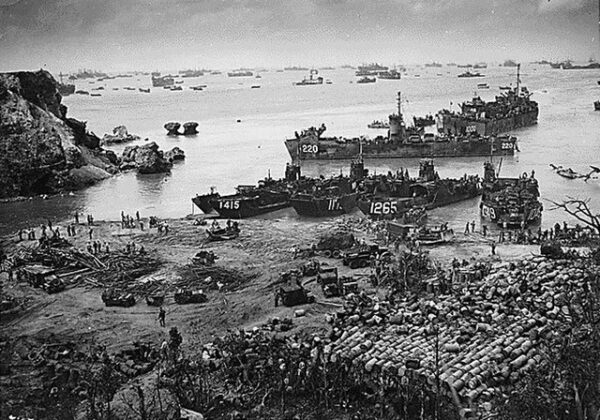
Read MoreThe Pacific Theater in World War II took a major turn on June 21, 1945, when Allied forces defeated Japanese troops on the Pacific island of Okinawa, concluding one of the longest and bloodiest struggles of the conflict. Having already seized the other Ryukyu…
Read MoreThe Battle of Midway, fought from June 4 to June 7, 1942, stands as a crucial naval engagement in the Pacific Theater of World War II. This battle dramatically altered the course of the war by halting Japanese expansion and shifting the balance of…
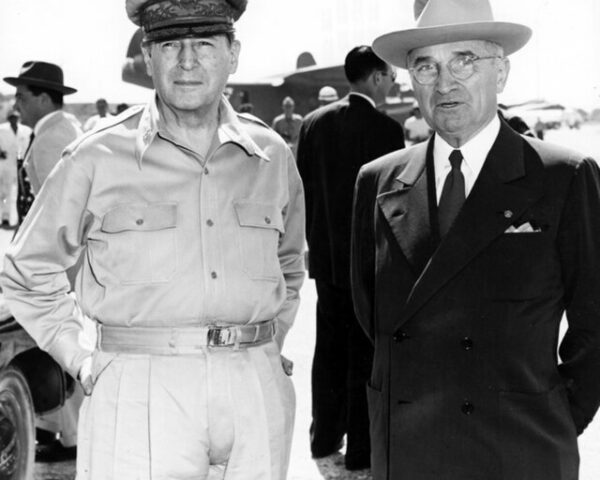
Read MoreOn April 11, 1951, President Harry S. Truman made one of the most significant—and hotly debated—decisions of his presidency: he dismissed General Douglas MacArthur from his command of American forces in Korea and Japan. The announcement stunned the American public and ignited fierce political…
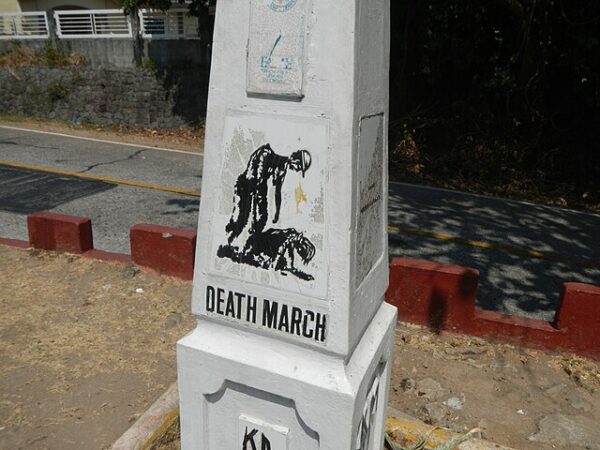
Read MoreOn April 9, 1942, the Battle of Bataan came to a grim conclusion, marking one of the most devastating turning points for Allied forces in the Pacific during World War II. After more than three months of brutal fighting on the Bataan Peninsula in…
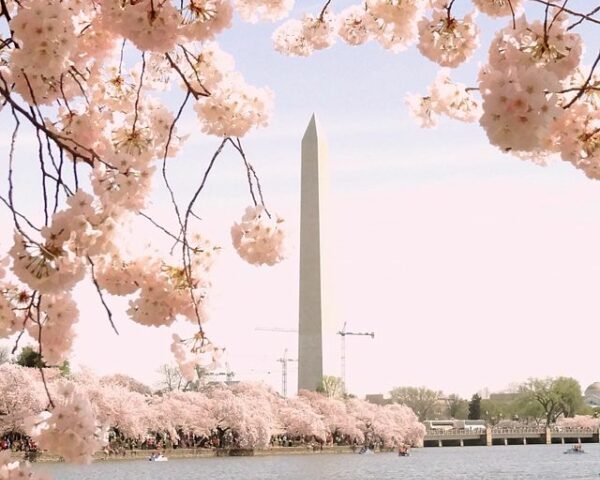
Read MoreOn March 27, 1912, a quiet, ceremonial act along the northern bank of the Potomac River in Washington, D.C., helped plant the seeds of one of the nation’s most enduring spring traditions. On that day, First Lady Helen Taft and Viscountess Chinda, the wife…
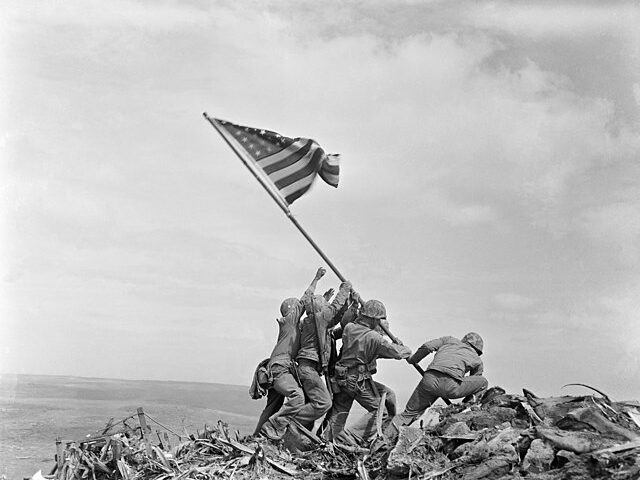
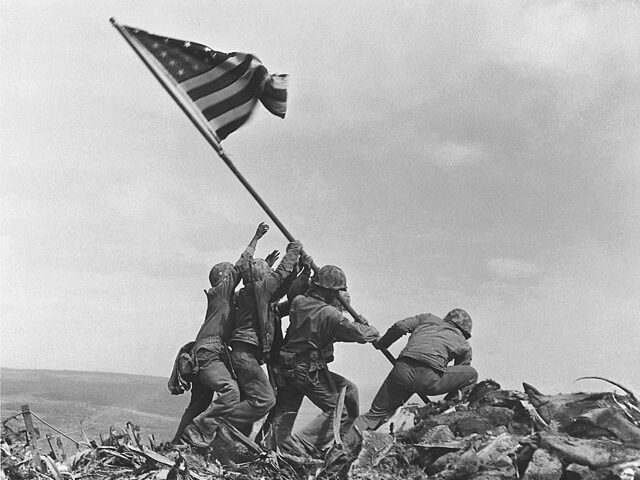
Read MoreThe Battle of Iwo Jima, one of the bloodiest and most important confrontations of World War II, concluded on March 26, 1945, after 36 days of intense combat. As the sun dipped below the horizon, it marked the end of a grueling military engagement…
Read MoreDuring World War II, the Battle of Iwo Jima became one of the most intense and strategically significant confrontations in the Pacific Theater. Located roughly 750 miles from Japan’s mainland, this small volcanic island was of great importance to the United States. Its airfields…
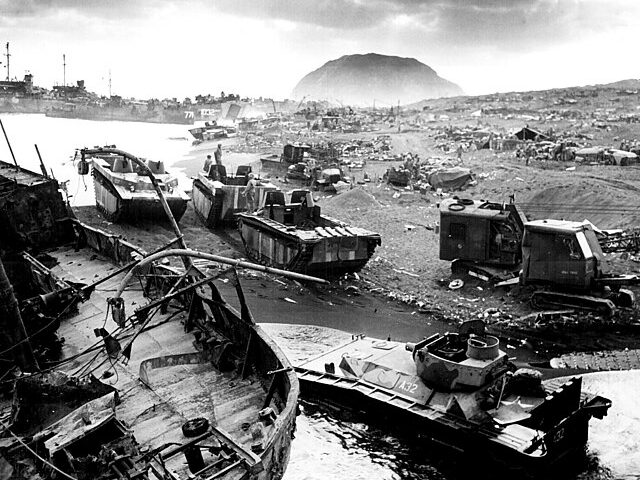
Read MoreOn February 19, 1945, after days of relentless naval and aerial bombardment, approximately 30,000 United States Marines stormed the black volcanic beaches of Iwo Jima, a small, sulfur-scented island in the western Pacific that would become one of the bloodiest battlefields in American military…
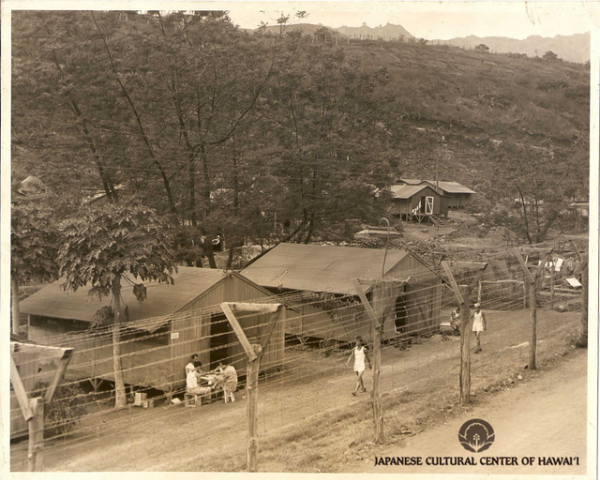
Read MoreOn February 19, 1942, President Franklin D. Roosevelt signed Executive Order 9066, granting the military broad authority to exclude individuals from designated areas. Though the order did not explicitly mention Japanese Americans, it became the legal basis for one of the most severe violations…
Read More