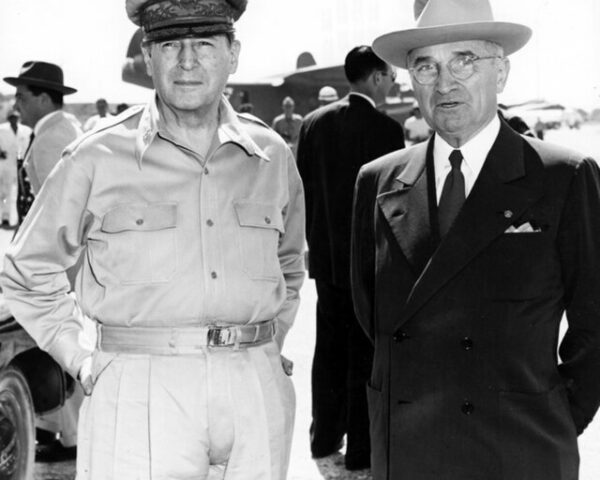
On April 11, 1951, President Harry S. Truman made one of the most significant—and hotly debated—decisions of his presidency: he dismissed General Douglas MacArthur from his command of American forces in Korea and Japan. The announcement stunned the American public and ignited fierce political…
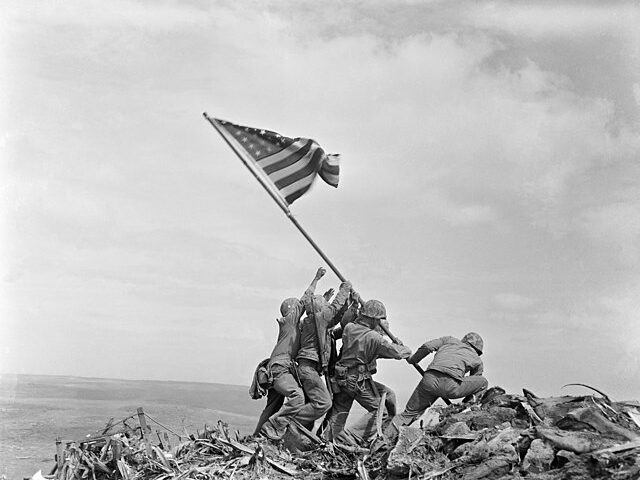
Read MoreThe Battle of Iwo Jima, one of the bloodiest and most important confrontations of World War II, concluded on March 26, 1945, after 36 days of intense combat. As the sun dipped below the horizon, it marked the end of a grueling military engagement…
Read MoreDuring World War II, the Battle of Iwo Jima became one of the most intense and strategically significant confrontations in the Pacific Theater. Located roughly 750 miles from Japan’s mainland, this small volcanic island was of great importance to the United States. Its airfields…
Read MoreOn February 19, 1942, President Franklin D. Roosevelt signed Executive Order 9066, granting the military broad authority to exclude individuals from designated areas. Though the order did not explicitly mention Japanese Americans, it became the legal basis for one of the most severe violations…
Read MoreOn February 9, 1943, the war in the Pacific finally turned. The Battle of Guadalcanal, a pivotal conflict in the Pacific theater of World War II, unfolded for nearly seven months before the Allies finally prevailed. It marked a turning point in the war…
Read MoreOn January 3, 1868, Japan experienced a transformative event that forever changed its political, social, and economic fabric—the Meiji Restoration. This monumental turning point marked the collapse of the Tokugawa shogunate, a feudal military government that had controlled Japan for over 260 years, and…
Read More