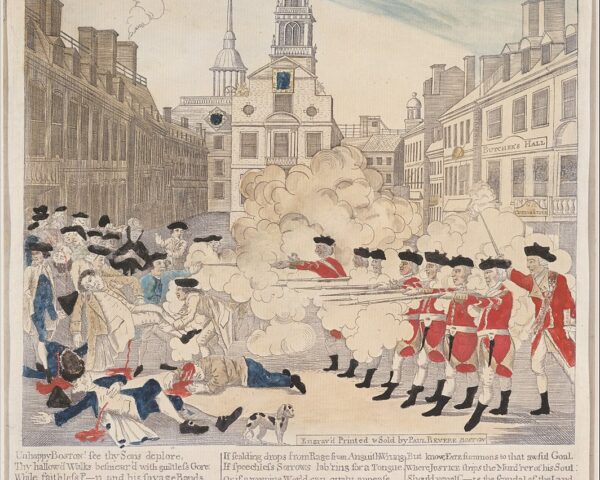
The Boston Massacre, a pivotal event in pre-revolutionary America, unfolded on the evening of March 5, 1770. Tensions between American colonists and British soldiers had been escalating for years, fueled by issues such as taxation without representation and the presence of British troops in…
Read MoreOn February 24, 1803, the Supreme Court established its power, shaping the country’s constitutional framework and establishing the principle of judicial review. Marbury v Madison centered around a dispute involving William Marbury, one of the “midnight judges” appointed by outgoing President John Adams in the final…
Read MoreThe presidential election of 1800 was one of the most pivotal and contentious moments in American political history, revealing both the strengths and weaknesses of the nation’s young electoral system. The contest between Thomas Jefferson and Aaron Burr, both representing the Democratic-Republican Party, resulted…
Read MoreThe United States became independent on July 4, 1776, but it did not become free from the British until November 30, 1782. The Treaty of Paris, preliminarily signed on that date and sent to both countries for final approval, marked the official end of…
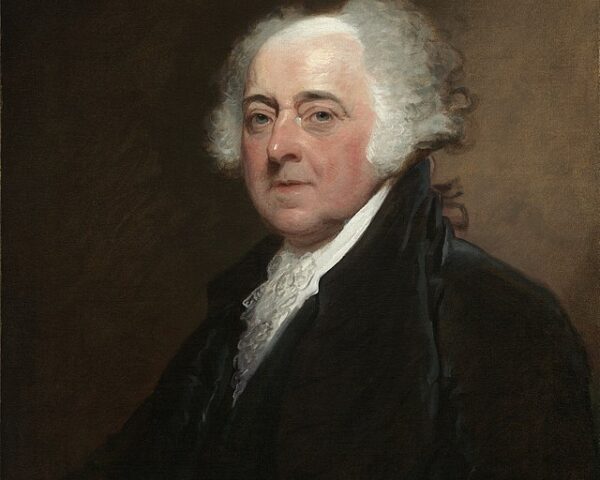
Read MoreOn November 1, 1800, President John Adams became the first leader of the young United States to reside in what would later be known as the White House, marking a pivotal moment in American history. Although still unfinished, the stately Executive Mansion represented the…
Read Moreworkmen laid the cornerstone of the United States Executive Mansion—an act marking the symbolic birth of what would later become known as the White House. The event unfolded amid the fields and forests of a fledgling federal city that existed mostly on paper, a…
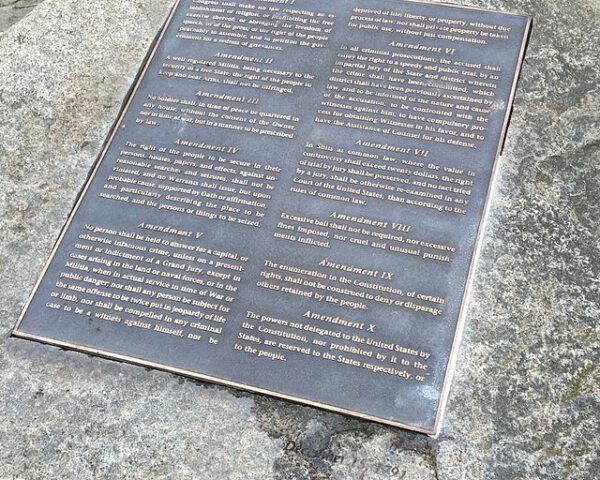
Read MoreOn September 25, 1789, the First Congress of the United States proposed to the state legislatures twelve amendments that would enshrine American freedoms directly into the Constitution. Soon to be called the American Bill of Rights, ten were later ratified by the states and…
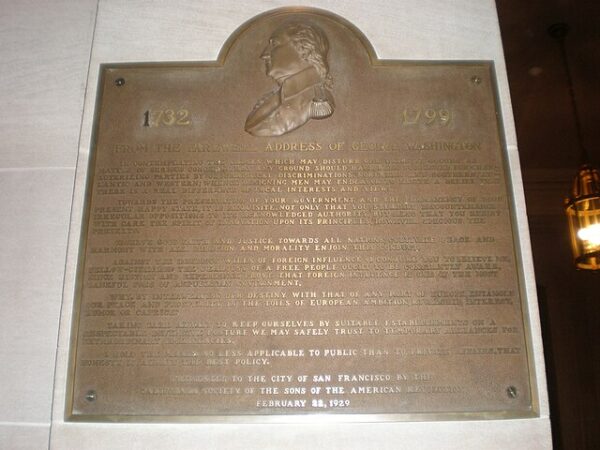
Read MoreOn September 19, 1796, the father of the United States left the stage for a final time, retiring to “sit in safety under his own vine and fig tree” at Mount Vernon. “After two terms in office, Washington decided to retire from public life, writes the…
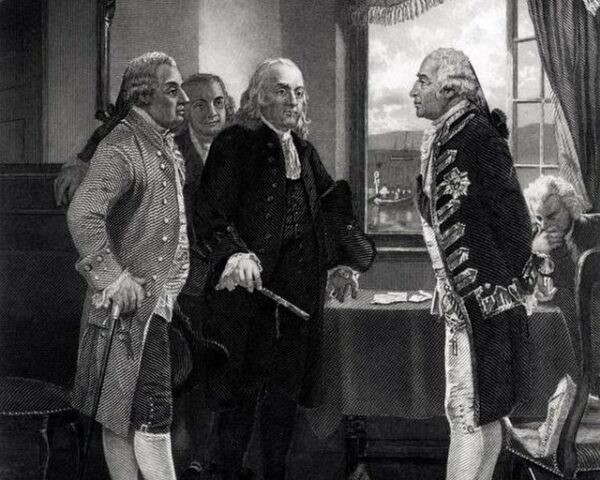
Read MoreOn September 11, 1776, in the brief lull following the Battle of Long Island, a small boat ferried three American delegates across the waters of New York Harbor. Their mission was audacious, if not quixotic: to test whether a negotiated peace with Britain might…
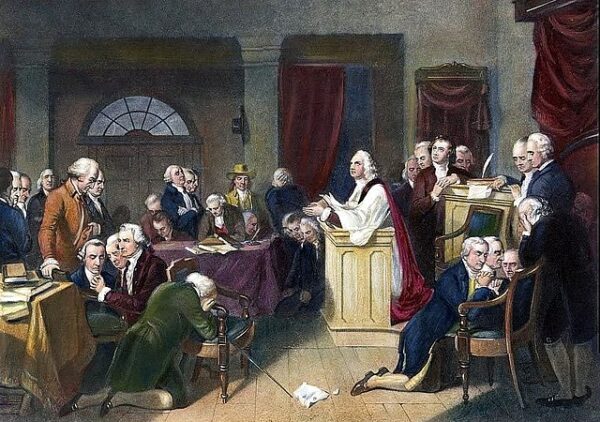
Read MoreOn September 5, 1774, Americans took one step closer toward independence with the meeting of the First Continental Congress. As tensions with Great Britain escalated, the colonies recognized the necessity of a unified response to the increasingly oppressive British policies, which many colonists believed…
Read More