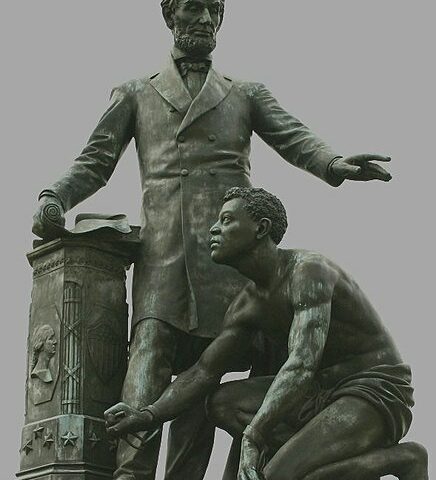
Juneteenth, also known as Freedom Day or Emancipation Day, commemorates the emancipation of enslaved African Americans in the United States. The first Juneteenth was celebrated on June 19, 1865, marking a pivotal moment in American history and symbolizing the end of slavery in the…
Read MoreIn the fading light of the evening on June 16, 1858, Abraham Lincoln stepped before the Illinois Republican Convention in Springfield and delivered a speech that startled even his allies with its moral clarity and stark prognosis. Accepting his party’s nomination for the United…
Read MoreIn a quiet but fateful moment on June 5, 1851, the abolitionist newspaper The National Era published the first installment of Uncle Tom’s Cabin; or, Life Among the Lowly, a serialized novel by a relatively unknown New England woman named Harriet Beecher Stowe. The…
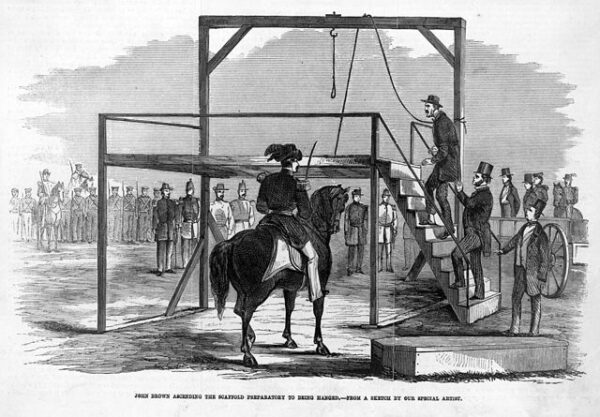
Read MoreOn the night of May 24, 1856, one of the most violent episodes of “Bleeding Kansas” occurred at Pottawatomie Creek, dramatically influencing the already tense atmosphere between proslavery and antislavery forces in the United States. Angered by the beating of Charles Sumner, John Brown, a…
Read MoreOn May 22, 1856, the United States Senate chamber witnessed a shocking and violent episode that reflected the intense sectional tensions of the antebellum era. Congressman Preston Brooks of South Carolina brutally assaulted Senator Charles Sumner of Massachusetts with a cane, an event that…
Read MoreOn May 21, 1856, the town of Lawrence, Kansas—a fledgling stronghold of free-state resistance on the contested frontier—was looted and burned by a posse of some 800 proslavery partisans under the authority of a federal marshal. Though often recast in summary as a mere…
Read More