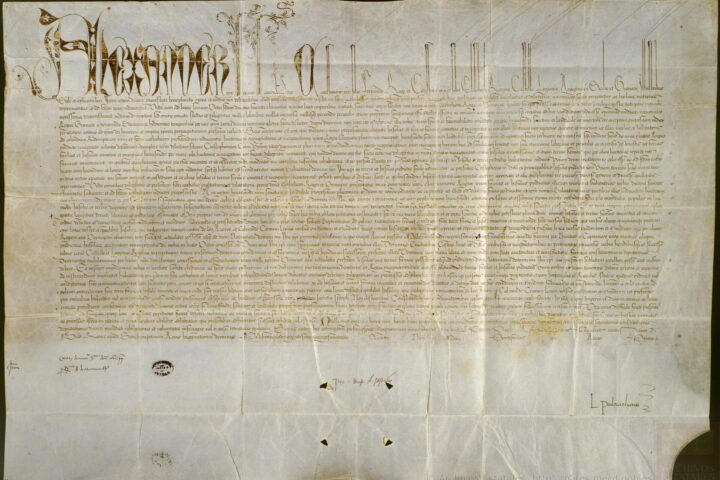
On May 4, 1493, Pope Alexander VI issued the papal bull Inter caetera, an expansive declaration that sought to impose juridical and theological order on the newly encountered Atlantic world. Produced in the immediate aftermath of Christopher Columbus’s first voyage, the document reflects a…
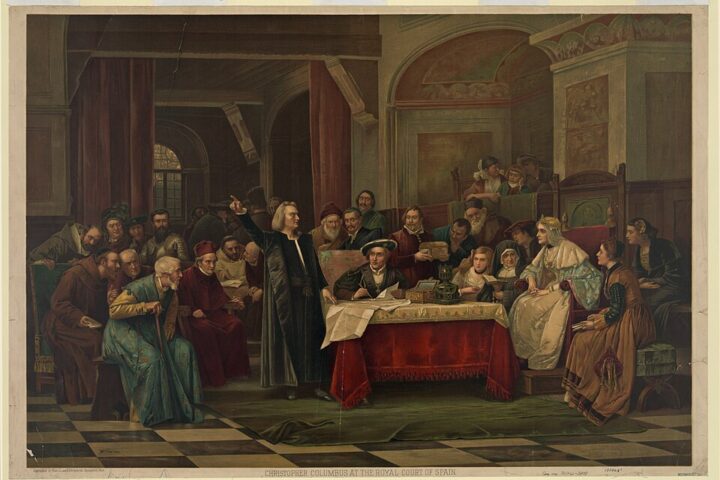
Read MoreOn May 1, 1486, Christopher Columbus stood before Isabella I of Castile and presented a proposal that, on its face, strained credibility. He argued that the wealth of Asia—the spices, silks, and trade networks that had long drawn European attention—could be reached not by…
Read MoreOn April 30, 1492, Christopher Columbus, an ambitious navigator from Genoa, was named admiral of the ocean, viceroy, and governor of any territory he claimed for Spain. The move by the two Spanish monarchs, Ferdinand II of Aragon and Isabella I of Castile, launched…
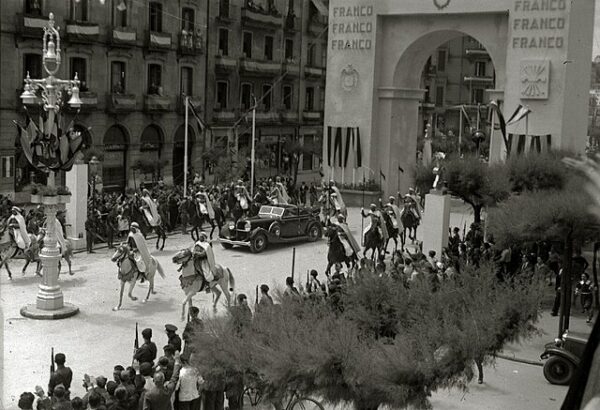
Read MoreOn March 28, 1939, General Francisco Franco’s Nationalist forces entered Madrid, ending nearly three years of siege and signifying the final collapse of the Second Spanish Republic. This moment marked the end of the Spanish Civil War, a deeply polarizing conflict that had drawn…
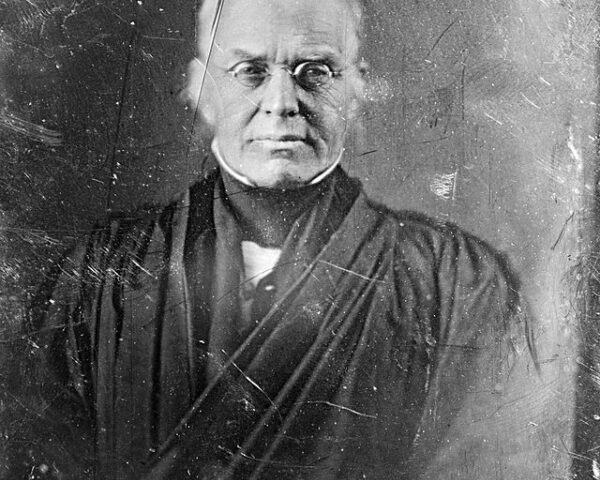
Read MoreThe U.S. Supreme Court’s decision in United States v. The Amistad on March 9, 1841, was a pivotal moment in American legal history, addressing issues of slavery, international law, and human rights. The case involved a group of Africans who had been illegally enslaved,…
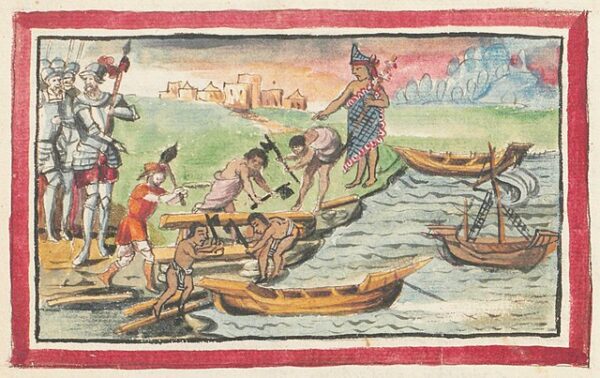
Read MoreOn the fateful day of March 4, 1519, the course of history forever changed when Hernán Cortés, the Spanish conquistador, anchored off the shores of Mexico. His arrival marked the beginning of a transformative and tumultuous chapter that would shape the destinies of Mesoamerica’s…
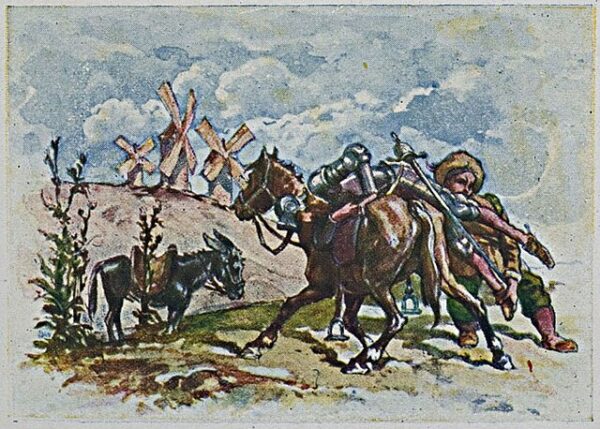
Read MoreOn January 16, 1605, El ingenioso hidalgo Don Quijote de la Mancha (The Ingenious Gentleman Don Quixote of La Mancha), written by Miguel de Cervantes Saavedra, was first published in Madrid, Spain. This moment heralded the arrival of one of the most transformative works…
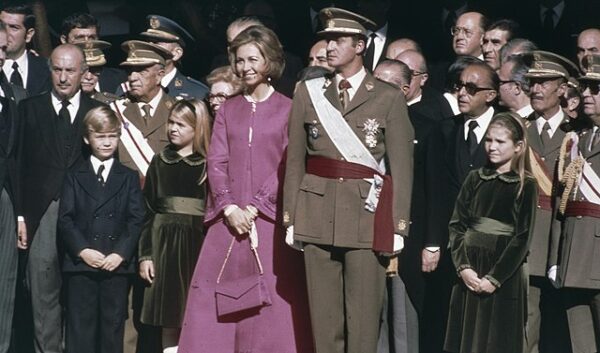
Read MoreOn November 22, 1975, Juan Carlos I was formally declared King of Spain, signifying a pivotal moment in the nation’s complex history. This occurred just two days after the death of Francisco Franco, the authoritarian ruler who had governed Spain for nearly four decades.…
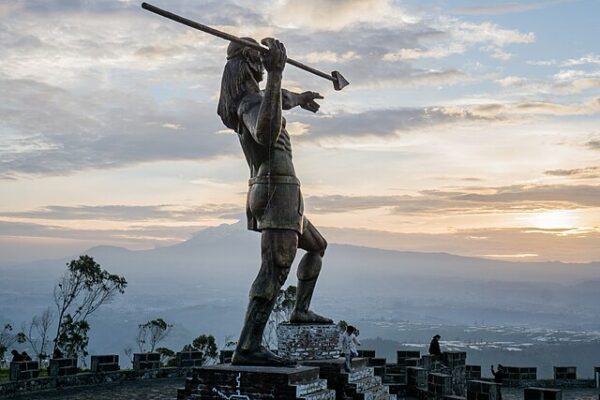
Read MoreOn November 16, 1532, the Andean city of Cajamarca became the setting for one of history’s most dramatic and consequential encounters. A small band of Spanish conquistadors led by Francisco Pizarro captured the Inca Emperor Atahualpa, an event that marked the beginning of the…
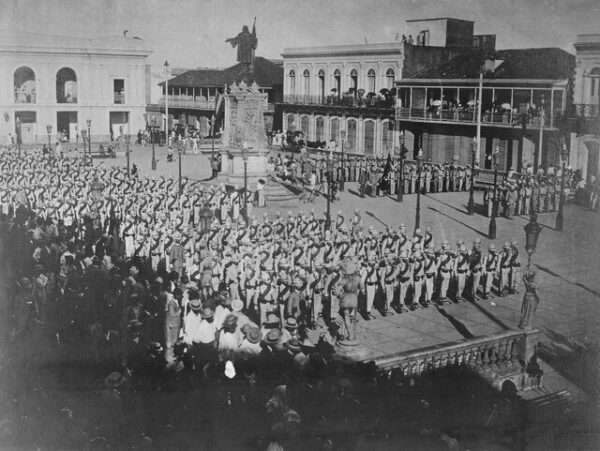
Read MoreWhen U.S. troops marched through the cobbled streets of San Juan on October 18, 1898, the red and gold flag of Spain was lowered for the last time over the Caribbean island of Puerto Rico. In its place rose the Stars and Stripes, signifying…
Read More