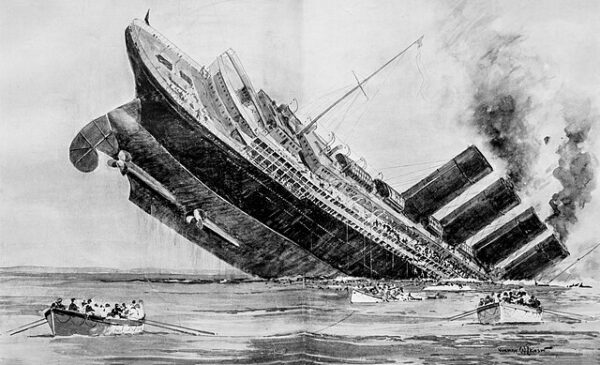
On May 7, 1915, during World War I, the British ocean liner RMS Lusitania was torpedoed and sunk by a German submarine, U-20, off the coast of Ireland. The attack resulted in the loss of over 1,100 lives, including civilians and neutral passengers, triggering…
Read MoreOn April 2, 1917, Woodrow Wilson stood before Congress to deliver one of the most significant speeches of his presidency. With solemn determination and unwavering conviction, the president, who promised to keep the United States out of the war in Europe, urged Congress to…
Read MoreOn March 15, 1917 it was all over in Russia as Tsar Nicholas II of Russia abdicated the throne, marking the end of the 304-year reign of the Romanov dynasty. His resignation was the culmination of years of mounting political instability, social unrest, and…
Read MoreOn March 1, 1917, Americans learned that Germany had urged our neighbor to attack the United States. The Zimmerman Telegram hit the front page of newspapers and became a turning point in World War I. The telegram, originally sent by German Foreign Minister Arthur…
Read MoreOpening on January 18, 1919, The Paris Peace Conference, following the end of World War I, was a historic gathering that aimed to reshape the world order and establish lasting peace in the aftermath of horrifying destruction. Attended by leaders of the Allied Powers,…
Read MoreOn January 9, 1916, the Battle of Gallipoli ended with a decisive Ottoman victory, marking a pivotal moment in World War I. This campaign, spanning from April 25, 1915, to January 1916, represented a daring but unsuccessful Allied attempt to seize control of the…
Read More