On April 9, 1942, the Battle of Bataan came to a grim conclusion, marking one of the most devastating turning points for Allied forces in the Pacific during World War II. After more than three months of brutal fighting on the Bataan Peninsula in the Philippines, approximately 75,000 American and Filipino troops—exhausted, starving, and ravaged by disease—were forced to surrender to advancing Japanese forces. The capitulation, the largest in U.S. military history, set in motion what would soon become known as the Bataan Death March.
The campaign for Bataan had begun in January 1942, following Japan’s rapid invasion of the Philippines just weeks after the attack on Pearl Harbor. Under the command of General Douglas MacArthur, Allied forces had initially planned a strategic withdrawal to Bataan, intending to hold out until reinforcements could arrive. But those reinforcements never came. Cut off from supply lines and subjected to constant aerial bombardment and artillery fire, the defenders faced a slow and grinding collapse. Food rations dwindled to near starvation levels, medicine ran out, and diseases such as malaria and dysentery spread unchecked through the ranks.
By early April, the situation had become untenable. Major General Edward King Jr., recognizing the futility of continued resistance and hoping to spare his men further suffering, made the decision to surrender without consulting higher command. On April 9, he formally yielded Bataan to Japanese General Masaharu Homma. For the troops on the ground, however, surrender did not bring relief—it marked the beginning of a new ordeal.
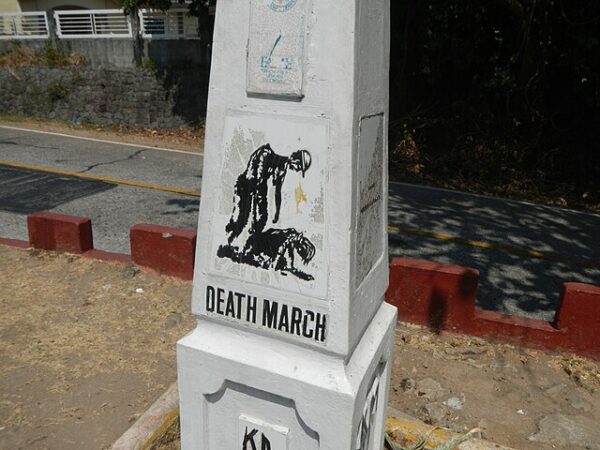
In the days that followed, tens of thousands of prisoners of war were forced to march roughly 65 miles from Mariveles at the southern tip of Bataan to Camp O’Donnell in central Luzon. What unfolded during this forced march shocked even hardened observers of wartime brutality. Prisoners, already weakened by months of deprivation, were given little to no food or water. Many were beaten, bayoneted, or shot for falling behind. Others died from heat exhaustion under the tropical sun, their bodies left where they fell.
The exact number of deaths during the march remains debated, but historians estimate that thousands of Filipino soldiers and hundreds of Americans perished along the route. Survivors later recounted scenes of staggering cruelty: guards who struck down men attempting to drink from roadside puddles, prisoners denied medical care, and a general atmosphere of calculated indifference to human life. The march became a symbol not only of the suffering endured by Allied troops but also of the harsh conditions faced by prisoners of war in the Pacific theater.
News of the Bataan surrender and the subsequent march reverberated back in the United States, where it galvanized public opinion and hardened resolve against Japan. “Remember Bataan” became a rallying cry, invoked in war bond drives and military recruitment campaigns. The fall of the Philippines, completed weeks later with the surrender of Corregidor, underscored the vulnerability of American positions in the Pacific and forced a reevaluation of military strategy.

For the men who endured the march and the imprisonment that followed, the ordeal was far from over. Many would spend years in Japanese prison camps under similarly brutal conditions, with high mortality rates due to malnutrition, forced labor, and lack of medical care. Liberation, when it came in 1945, revealed the full extent of their suffering to the world.
In the postwar years, the Bataan Death March became a focal point in war crimes trials. General Homma was held accountable for the actions of his troops and was executed in 1946. The trials, while controversial in some respects, reflected a broader effort to establish legal responsibility for atrocities committed during the war.