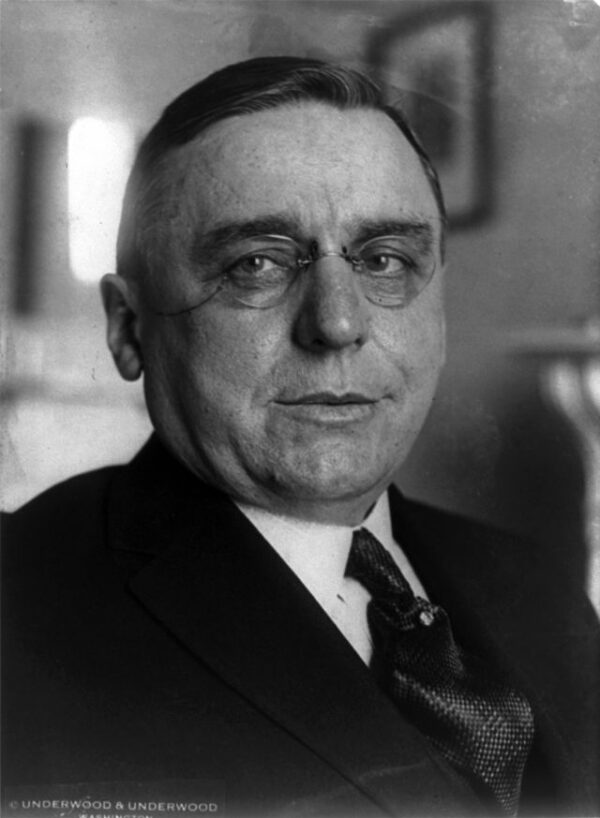
On February 15, 1933, in Miami, a single handgun cracked through the warm evening air and altered the course of American political history. The target was President-elect Franklin D. Roosevelt. The man who would die instead was Anton J. Cermak, the sitting mayor of Chicago.
The setting was Bayfront Park. Roosevelt, fresh from his decisive November victory over Herbert Hoover, had traveled south to enjoy a brief respite before his March 4 inauguration. The nation was in the depths of the Great Depression. Banks were failing. Unemployment was soaring. Anxiety hung over the country like a storm cloud. Roosevelt’s public appearances were carefully choreographed displays of optimism, reinforcing his promise of a “New Deal” for the American people.
That night, he stood in an open convertible, addressing a crowd of several thousand supporters. As the speech concluded and Roosevelt acknowledged the applause, a small, dark-haired man pushed forward through the throng. His name was Giuseppe Zangara, a 32-year-old Italian immigrant and unemployed bricklayer.
Zangara raised a .32-caliber revolver and fired five shots toward Roosevelt. In the crush of bodies and sudden panic, a woman in the crowd reportedly struck his arm, deflecting his aim. Roosevelt was not hit. But five others were.
Among the wounded was Anton Cermak, who had traveled to Miami seeking rest from his own political battles in Chicago. One bullet struck him in the abdomen. Also injured were Mrs. Joseph H. Gill, wife of a local businessman; William Sinnott, a New York police detective; Russell Caldwell, a Secret Service agent; and Miss Margaret Kruis.
The scene dissolved into chaos. Spectators tackled Zangara almost immediately. He was beaten by members of the crowd before police pulled him away. Roosevelt, demonstrating the composure that would later define his presidency, insisted on remaining calm. He directed that Cermak be placed in the car with him and rode to Jackson Memorial Hospital. Witnesses later recalled Roosevelt holding Cermak’s hand and speaking reassuringly as doctors prepared for surgery.
Cermak initially appeared to rally. Surgeons removed the bullet, and for a time his condition seemed stable. But complications set in. Infection and colitis weakened him in the days that followed. On March 6, 1933—just two days after Roosevelt’s inauguration—Cermak died of his wounds.
The death of Chicago’s mayor fueled immediate speculation. Some suggested Cermak had been the true target, given his aggressive campaign against organized crime in Chicago. Others dismissed the theory, pointing to Zangara’s own statements.
Zangara harbored a visceral hatred of political leaders. He later told authorities that he did not hate Roosevelt personally but despised “capitalists” and all heads of government. “I kill kings and presidents first,” he declared. He insisted he had acted alone and had intended to kill Roosevelt as a symbol of authority.
His trial was swift. Initially charged with attempted murder for the wounded victims, Zangara pleaded guilty and received an 80-year sentence. After Cermak’s death, prosecutors upgraded the charge to first-degree murder. Zangara again pleaded guilty, showing no remorse and even shouting at the judge to impose the death penalty. “Don’t give me life sentence,” he reportedly demanded. “Give me electric chair.”

On March 20, 1933—just 33 days after the shooting—Zangara was executed in Florida’s electric chair.
The assassination attempt came at a fragile moment in American governance. Roosevelt had not yet taken office; Herbert Hoover remained president until March 4 under the constitutional timetable that predated the 20th Amendment. The incident underscored the vulnerability of leaders during the transition of power and intensified calls for stronger Secret Service protection for presidents-elect.
For Roosevelt, the event reinforced his public image of steadiness under pressure. His calm conduct that night in Miami became part of the lore surrounding his leadership style. Within weeks, he would launch the first wave of New Deal legislation, confronting the economic emergency that gripped the nation.
For Chicago, the loss of Cermak was profound. A Bohemian immigrant who rose from coal miner to mayor, Cermak had built a powerful political coalition that challenged entrenched interests in the city. His death transformed him into a figure of civic martyrdom.