

On September 12, 1962, President John F. Kennedy set the course for American explanation in a way that had never been done before. His iconic “We Choose to Go to the Moon” speech at Rice University on set the stage for the 21st century…
Read More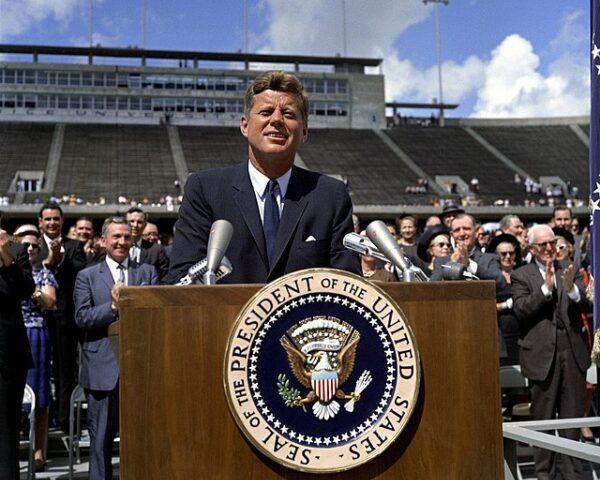

On September 12, 1962, President John F. Kennedy set the course for American explanation in a way that had never been done before. His iconic “We Choose to Go to the Moon” speech at Rice University on set the stage for the 21st century…
Read More
In the late summer of 1939, as Europe convulsed into war, two American physicists quietly published a paper that reshaped our understanding of the cosmos. On September 1—the very day German forces stormed into Poland—J. Robert Oppenheimer and his graduate student Hartland Snyder unveiled…
Read More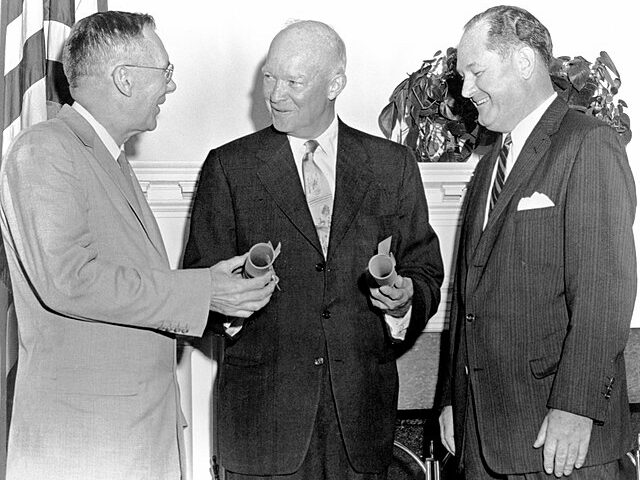
On July 29, 1958, President Dwight D. Eisenhower signed the National Aeronautics and Space Act, establishing the National Aeronautics and Space Administration (NASA). This pivotal moment in history marked the beginning of a new era in space exploration and science, laying the groundwork for…
Read More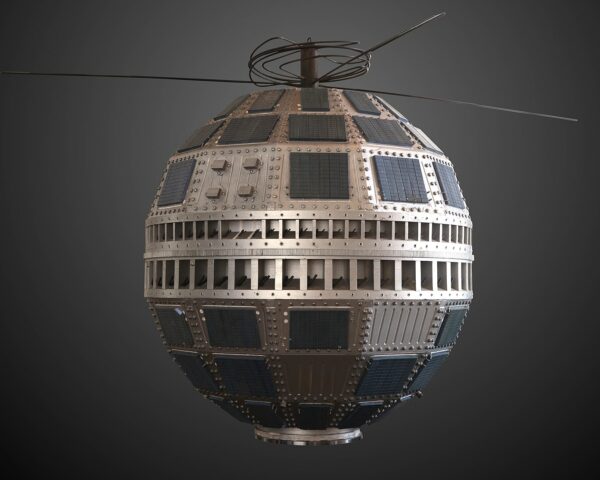
On July 10, 1962, AT&T changed the way the world shares information, launching Telstar 1, the first active communications satellite. The launch highly-anticipated launch captivated people across the globe. As the Delta rocket thundered into the sky from Cape Canaveral, Florida, everyone held their…
Read More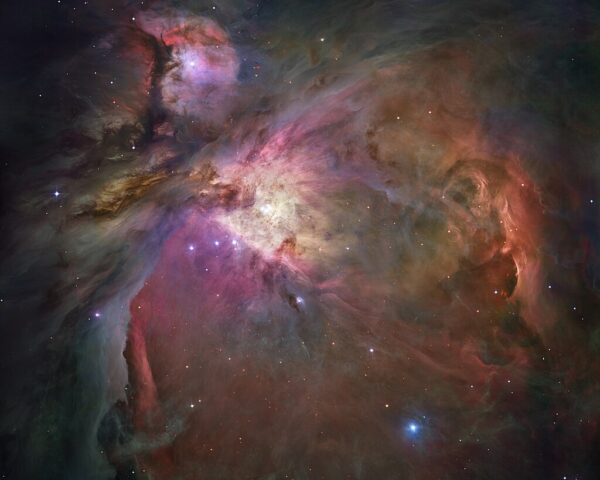
On April 24, 1990, a Space Shuttle Discovery mission designated STS-31 changed the course of modern astronomy. From low Earth orbit, it deployed one of the most ambitious scientific instruments ever built: the Hubble Space Telescope. Decades in the making and plagued by delays…
Read More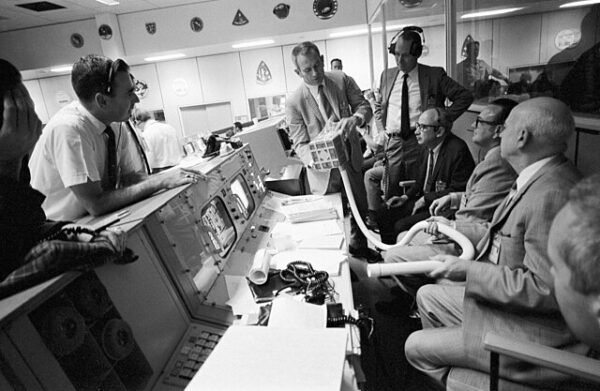
On April 17, 1970, the crew of Apollo 13 returned safely to Earth, concluding one of the most dramatic and closely watched episodes in the history of human spaceflight. What began as a routine mission to the Moon had, within days, become a test…
Read More
On April 17, 2014, NASA announced a milestone in the search for life beyond Earth: the confirmation of Kepler-186f, the first Earth-size planet discovered orbiting within the habitable zone of another star. This groundbreaking discovery was made possible by the Kepler Space Telescope, a…
Read More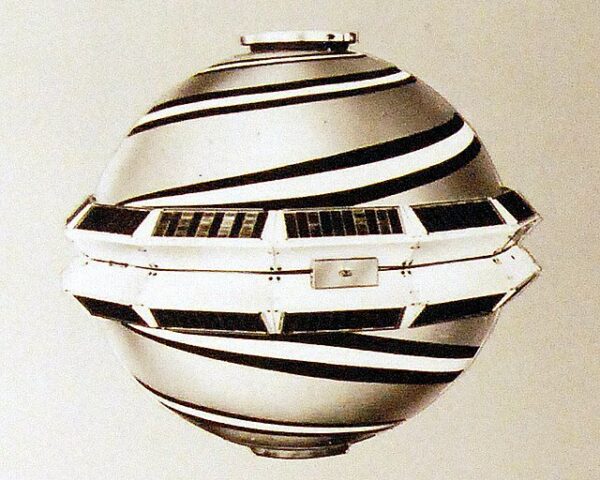
On April 13, 1960, the United States quietly entered a new era of navigation, launching the satellite known as Transit 1-B into orbit. Developed for the U.S. Navy at the height of the Cold War, the satellite marked the first successful deployment of a…
Read More
On April 12, 1961, Yuri Gagarin made history as the first human to journey into outer space. Born in the village of Klushino, Russia, on March 9, 1934, Gagarin grew up during a time of immense scientific curiosity and exploration. He joined the Soviet…
Read More
In the 1960s, the United States and Russia were in a space race and NASA launched the Gemini program to bridge the work between the Mercury and Apollo programs. The goal of the program was to test equipment and mission procedures in Earth’s orbit…
Read More