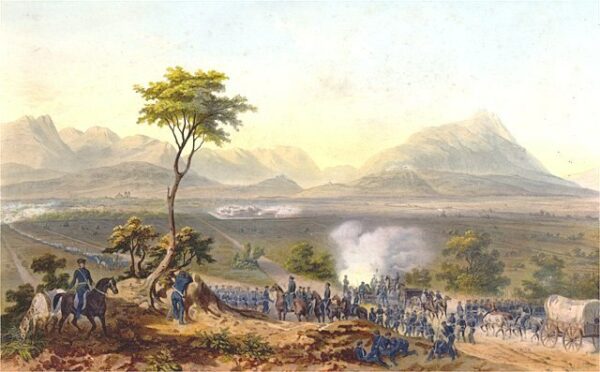
On September 24, 1846, General Zachary Taylor successfully captured Monterrey during the Mexican-American War, marking a decisive victory for the United States in its campaign against Mexico. The capture of Monterrey was a turning point in the war, establishing Taylor’s military reputation and paving…
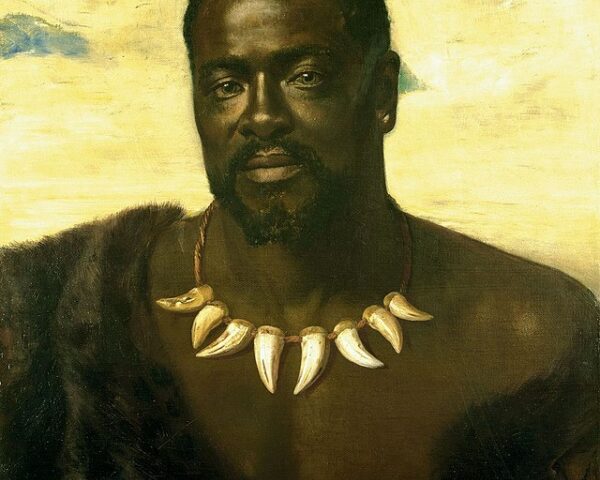
Read MoreOn August 28, 1879, British troops finally closed in on the fugitive monarch who had so recently commanded the fearsome Zulu army. King Cetshwayo kaMpande, last sovereign of an independent Zulu nation, was captured in the aftermath of one of the most brutal colonial…
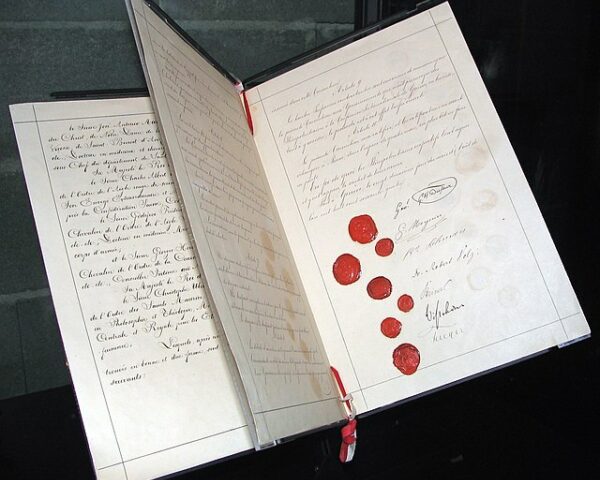
Read MoreThe Geneva Convention is a series of international treaties and protocols that establish the standards for humanitarian treatment during war. The first of these conventions was adopted in 1864, and the most recent, the Fourth Geneva Convention, was adopted in 1949. These treaties play…
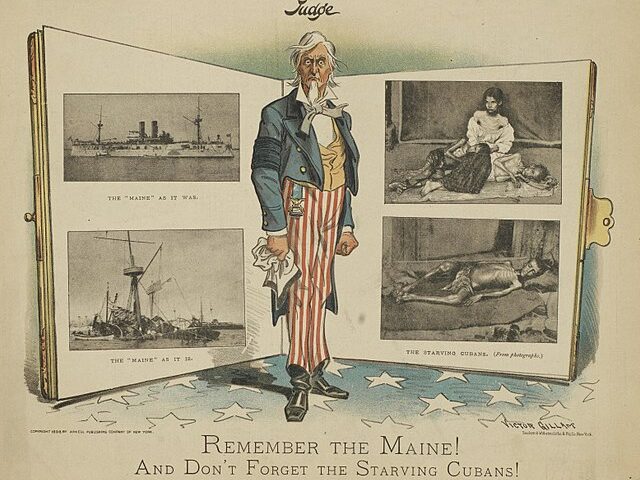
Read MoreOn June 10, 1898, U.S. Marines landed at Guantánamo Bay, fighting a war against Spain and challenging their colonial rule in the Caribbean. The Battle of Guantanamo Bay, on the southeastern coast of Cuba, served as a significant start to the Spanish-American War. The battle lasted for…
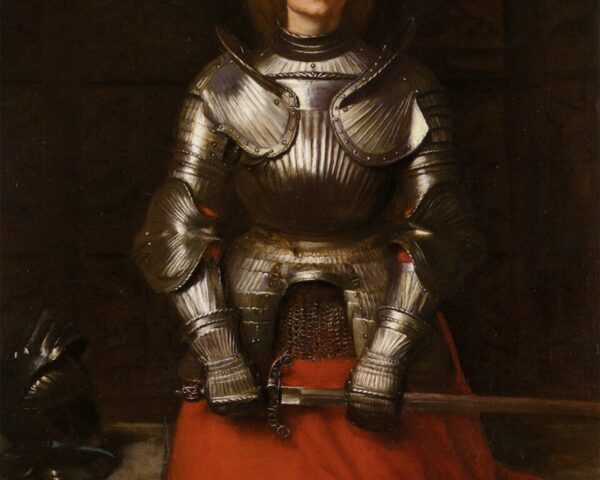
Read MoreOn May 30, 1431, in the Norman city of Rouen, the English-dominated tribunal that had spent months trying to destroy Joan of Arc finally delivered her to the fire. She was nineteen years old, a peasant girl from Domrémy who had become, in the…
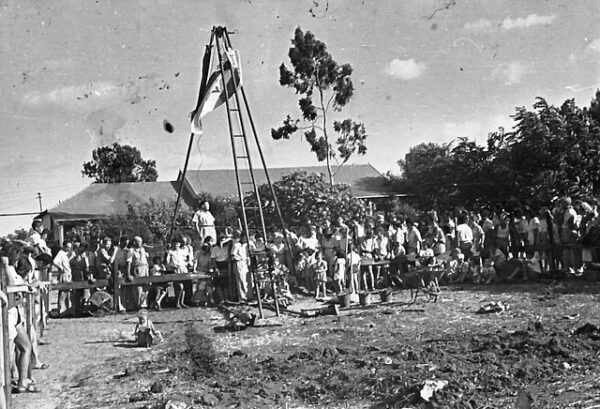
Read MoreThe 1948 Arab-Israeli War, also known as the War of Independence or Nakba , depending on one’s perspective, erupted immediately following the declaration of the State of Israel on May 14, 1948, and lasted until early 1949. It marked the culmination of decades of tensions between…
Read MoreOn May 5, 1866, the small village of Waterloo, New York, held what is widely recognized as the first formal observance of Memorial Day in the United States. Known at the time as Decoration Day, the event was a community-wide tribute to honor the…
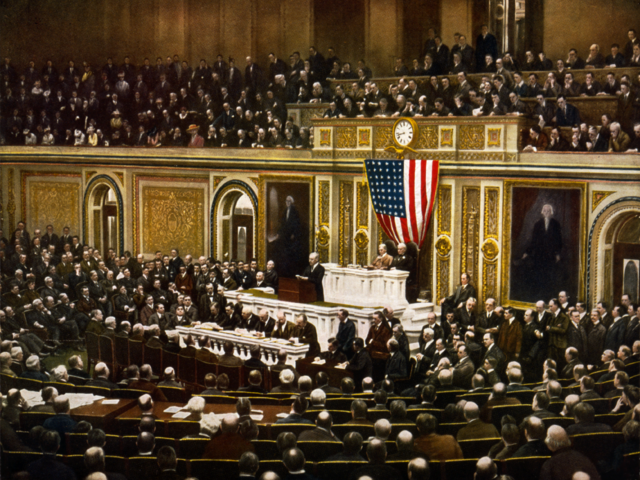
Read MoreOn April 2, 1917, Woodrow Wilson stood before Congress to deliver one of the most significant speeches of his presidency. With solemn determination and unwavering conviction, the president, who promised to keep the United States out of the war in Europe, urged Congress to…
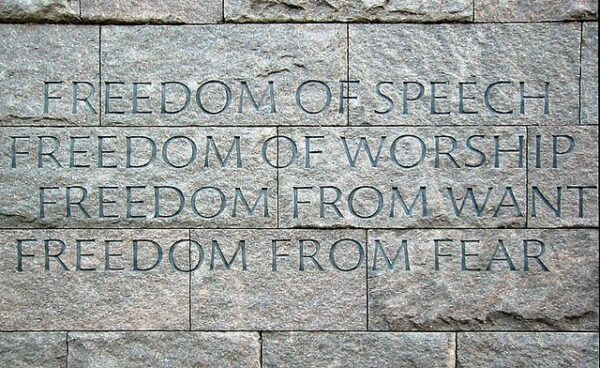
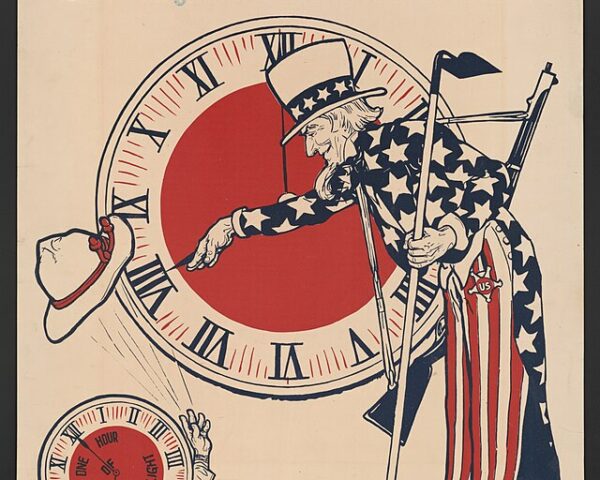
Read MoreOn February 9, 1942, the United States did something that would have seemed mildly absurd just a few years earlier: it reset the nation’s clocks—permanently, at least for the duration of the war. With the country barely two months removed from Pearl Harbor, Congress…
Read MoreOn the morning of January 13, Hawaiians were jolted by an alarming emergency alert warning of an imminent missile strike. The message, which appeared on phones, televisions, and radios, read: “BALLISTIC MISSILE THREAT INBOUND TO HAWAII. SEEK IMMEDIATE SHELTER. THIS IS NOT A DRILL.”…
Read More