
On March 27, 1912, a quiet, ceremonial act along the northern bank of the Potomac River in Washington, D.C., helped plant the seeds of one of the nation’s most enduring spring traditions. On that day, First Lady Helen Taft and Viscountess Chinda, the wife of Japan’s ambassador, placed two Yoshino cherry trees into the ground — a symbolic gesture that would grow into what is now the National Cherry Blossom Festival.
The moment was modest in scale, but it carried layers of meaning shaped by diplomacy, culture, and personal initiative. The trees were part of a larger gift from the city of Tokyo to the United States — an offering intended to strengthen ties between the two nations at a time when international relationships, particularly in the Pacific, were evolving with new urgency. In total, more than 3,000 cherry trees were sent, carefully cultivated and selected for their beauty and resilience.
The origins of the planting can be traced, in part, to Helen Taft herself. During her travels years earlier, she had encountered cherry blossoms in Japan and was struck by their elegance and the way they transformed public spaces into shared experiences of seasonal beauty. When she became First Lady, she carried that memory with her, envisioning a similar landscape along the Potomac — one that would bring both aesthetic pleasure and a subtle sense of international connection to the capital.
The Japanese government, recognizing the symbolic value of such a gesture, embraced the idea. The trees were not merely ornamental. They were diplomatic artifacts, living expressions of goodwill meant to root a bilateral relationship in something visible, seasonal, and enduring. The participation of Viscountess Chinda underscored that intent. Her presence alongside the First Lady signaled that this was not simply a domestic beautification project, but a shared cultural moment between two nations.
The path to that March day, however, had not been entirely smooth. An earlier shipment of cherry trees sent in 1910 had been found to be infested with pests and disease, forcing U.S. officials to make the difficult decision to destroy them to protect local agriculture. The setback could have ended the effort. Instead, it reinforced the seriousness with which both sides approached the exchange. A second shipment was prepared with greater care, inspected, and ultimately approved — paving the way for the 1912 planting.
When Taft and Chinda placed the first two Yoshino trees into the soil, they were participating in a ritual that blended diplomacy with symbolism. The Yoshino variety, known for its pale pink blossoms and brief but spectacular bloom, was particularly suited to the role. Its fleeting nature — the blossoms appear suddenly and fall just as quickly — carried cultural significance in Japan, often associated with renewal, impermanence, and the passage of time.
In Washington, those meanings took on an additional dimension. The trees would mark the arrival of spring each year, drawing residents and visitors alike into a shared public experience. What began as a diplomatic gesture gradually evolved into a civic tradition. By the 1930s, informal celebrations around the blossoms had begun to take shape, eventually coalescing into the modern National Cherry Blossom Festival, which now attracts millions of visitors annually.

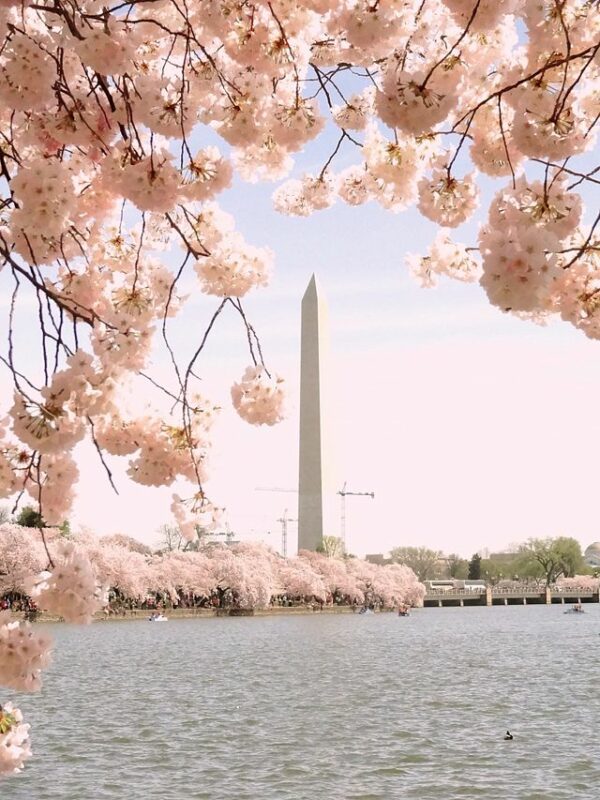
The physical location of the planting — near what would later become the Tidal Basin’s iconic ring of cherry trees — proved essential. Over time, the trees multiplied, their reflections in the water becoming one of the most recognizable images of the nation’s capital. Yet the original act remained grounded in its simplicity: two women, representing their respective countries, placing trees into the earth as a sign of mutual respect.
More than a century later, the legacy of March 27, 1912, continues to unfold each spring. The blossoms return, as they always have, briefly transforming Washington before fading again. In that cycle, the original gesture endures — a reminder that even the smallest diplomatic acts, when rooted in shared appreciation and sustained over time, can grow into traditions that outlast the moment of their creation.