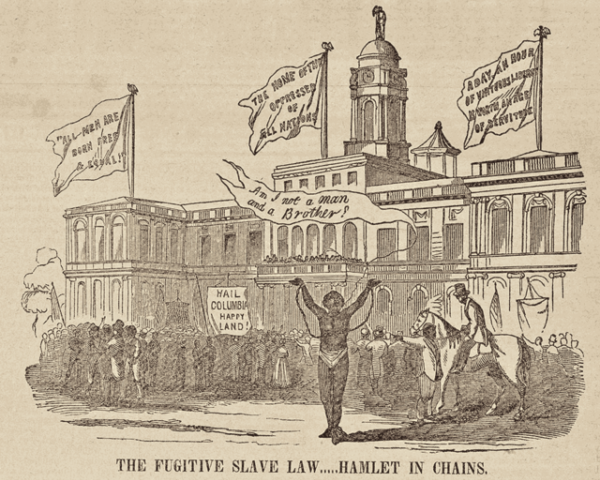
In a quiet but fateful moment on June 5, 1851, the abolitionist newspaper The National Era published the first installment of Uncle Tom’s Cabin; or, Life Among the Lowly, a serialized novel by a relatively unknown New England woman named Harriet Beecher Stowe. The…
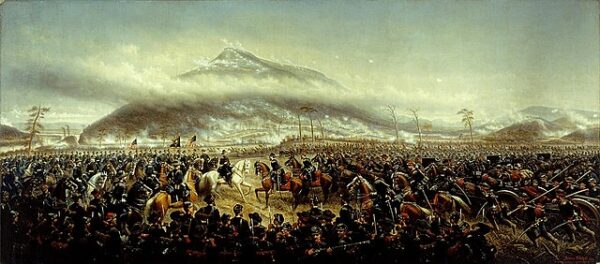
Read MoreOn June 3, 1863, the Army of Northern Virginia—ragged, proud, and buoyed by recent triumph—began its long march out of war-ravaged Virginia and into the lush, unbloodied countryside of Pennsylvania. At its head rode General Robert E. Lee, whose strategic genius and battlefield audacity…
Read MoreBy late spring 1865, the Confederacy was collapsing in pieces. Richmond had fallen, Lee had surrendered at Appomattox, and President Jefferson Davis was a fugitive. Yet the vast expanse of the Trans-Mississippi—stretching from Texas to Arkansas and parts of Louisiana—remained a Confederate holdout, largely…
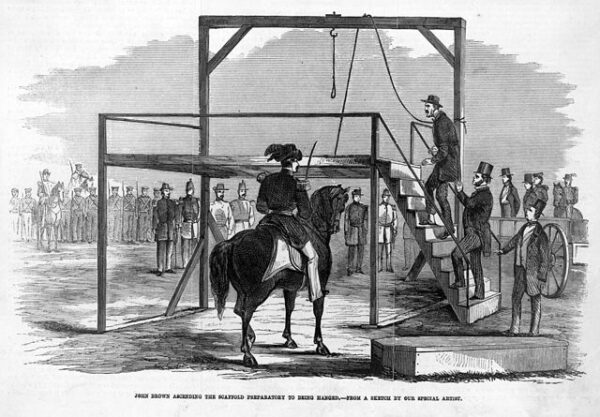
Read MoreOn the night of May 24, 1856, one of the most violent episodes of “Bleeding Kansas” occurred at Pottawatomie Creek, dramatically influencing the already tense atmosphere between proslavery and antislavery forces in the United States. Angered by the beating of Charles Sumner, John Brown, a…
Read MoreThe American Red Cross, an iconic humanitarian organization, was established by Clara Barton on May 21, 1881, in Washington, D.C. Its inception marked a significant development in American charity work, dedicating itself to providing emergency assistance, disaster relief, and education in the United States.…
Read MoreThe Republican National Convention of 1860, held from May 16 to May 18 in the bustling city of Chicago, changed the course of American history and led the nation down the road to the Civil War. This convention, taking place in the specially constructed…
Read MoreOn May 2, 1863, during the American Civil War, General Thomas “Stonewall” Jackson, one of the most renowned figures in the Confederate army, met his fate on the battlefield in a turn of events that would echo through battlefields across the United States. The…
Read More