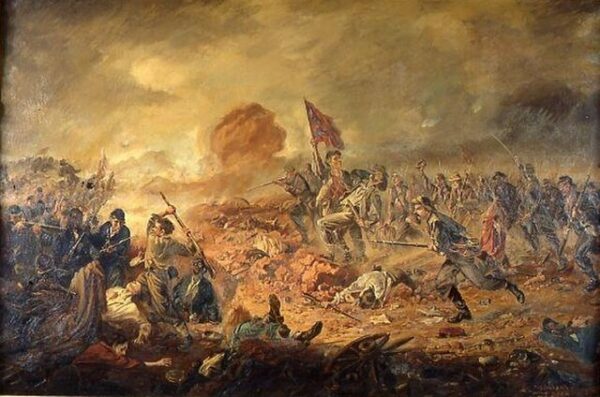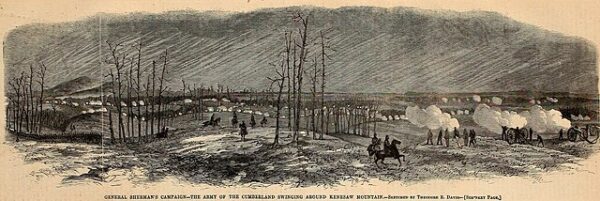
The Battle of Kennesaw Mountain stands as a stark reminder of the brutal and unyielding nature of the American Civil War. Fought from June 27 to July 2, 1864, it was a significant clash between the Union Army commanded by Major General William T.…
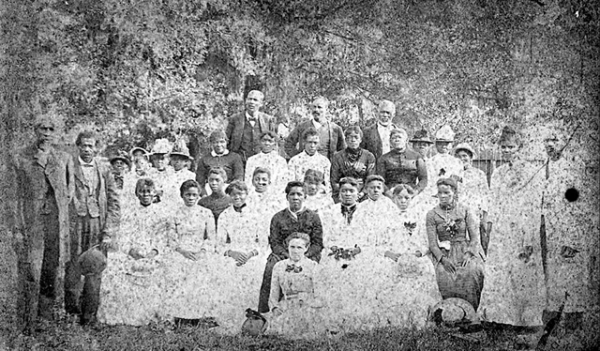
Read MoreJuneteenth, also known as Freedom Day or Emancipation Day, commemorates the emancipation of enslaved African Americans in the United States. The first Juneteenth was celebrated on June 19, 1865, marking a pivotal moment in American history and symbolizing the end of slavery in the…
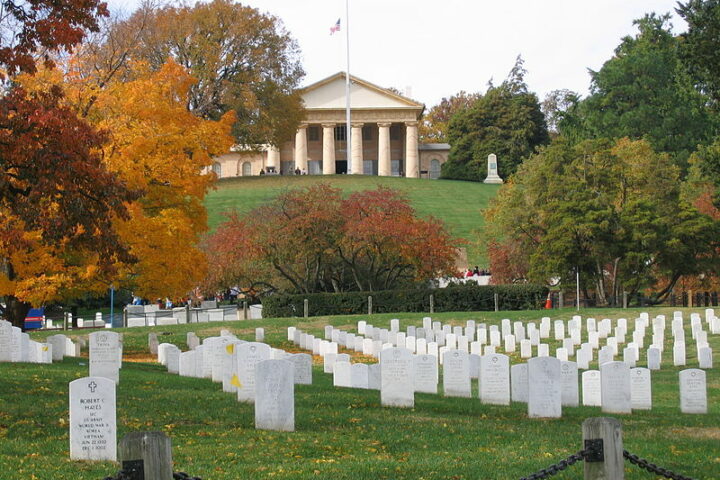
Read MoreArlington National Cemetery, one of the most hallowed grounds in the United States, has a rich history intertwined with the nation’s Civil War and its aftermath. Its creation was driven by both practical needs and symbolic gestures, transforming a site of personal significance into…
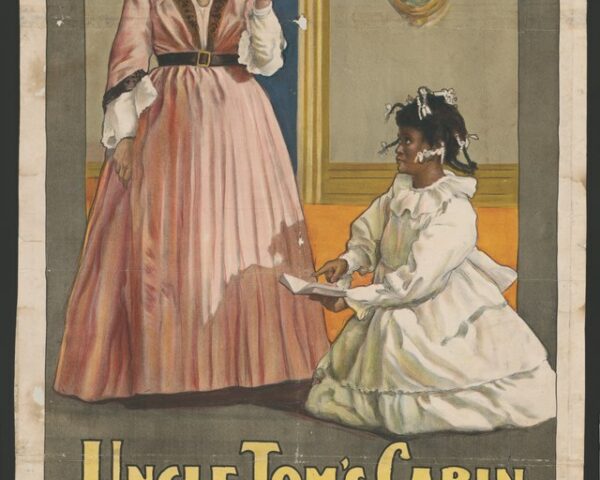
Read MoreIn a quiet but fateful moment on June 5, 1851, the abolitionist newspaper The National Era published the first installment of Uncle Tom’s Cabin; or, Life Among the Lowly, a serialized novel by a relatively unknown New England woman named Harriet Beecher Stowe. The…
Read MoreOn June 3, 1863, the Army of Northern Virginia—ragged, proud, and buoyed by recent triumph—began its long march out of war-ravaged Virginia and into the lush, unbloodied countryside of Pennsylvania. At its head rode General Robert E. Lee, whose strategic genius and battlefield audacity…
Read MoreBy the final day of May 1864, the American Civil War had entered a new and increasingly brutal phase. For nearly four weeks, Lt. Gen. Ulysses S. Grant had driven the Union Army of the Potomac southward through Virginia, refusing to retreat after battles…
Read MoreBy late spring 1865, the Confederacy was collapsing in pieces. Richmond had fallen, Lee had surrendered at Appomattox, and President Jefferson Davis was a fugitive. Yet the vast expanse of the Trans-Mississippi—stretching from Texas to Arkansas and parts of Louisiana—remained a Confederate holdout, largely…
Read MoreOn the night of May 24, 1856, one of the most violent episodes of “Bleeding Kansas” occurred at Pottawatomie Creek, dramatically influencing the already tense atmosphere between proslavery and antislavery forces in the United States. Angered by the beating of Charles Sumner, John Brown, a…
Read MoreOn May 22, 1872, President Ulysses S. Grant signed the Amnesty Act into law, taking one of the most consequential steps of the Reconstruction era toward restoring political rights to former Confederates. The law did not settle the central conflicts of Reconstruction. It did…
Read MoreThe American Red Cross, an iconic humanitarian organization, was established by Clara Barton on May 21, 1881, in Washington, D.C. Its inception marked a significant development in American charity work, dedicating itself to providing emergency assistance, disaster relief, and education in the United States.…
Read More