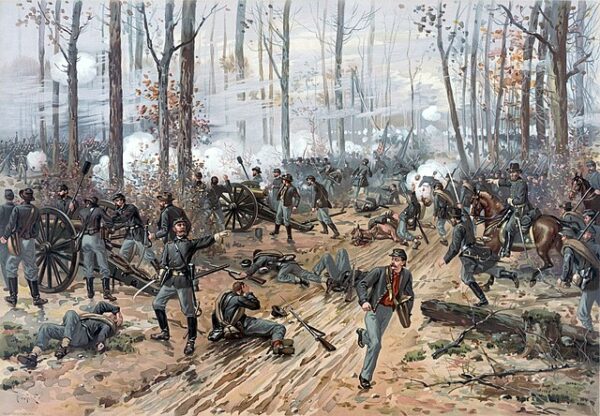
The Battle of Shiloh, sometimes called the Battle of Pittsburg Landing, took place on April 6–7, 1862, near Pittsburg Landing, Tennessee. The battle marked a turning point in the war, demonstrating the ferocity and scale of the conflict while foreshadowing the immense casualties that…
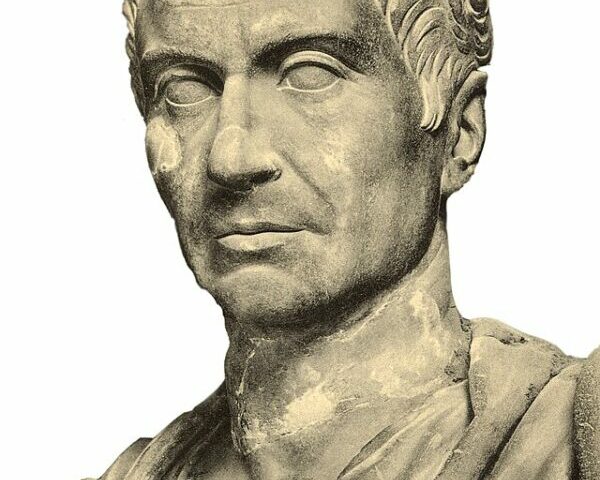
Read MoreOn April 6, 46 BC, Julius Caesar delivered a decisive blow to the last organized resistance of the Roman Republic at the Battle of Thapsus, defeating forces led by Quintus Caecilius Metellus Scipio and supported by allies of Marcus Porcius Cato the Younger. The…
Read MoreOn April 3, 1882, in the quiet Missouri town of St. Joseph, one of the most famous outlaws of the American West met an unceremonious end. Jesse James—bank robber, Confederate guerrilla, and folk hero to some—was shot in the back of the head by…
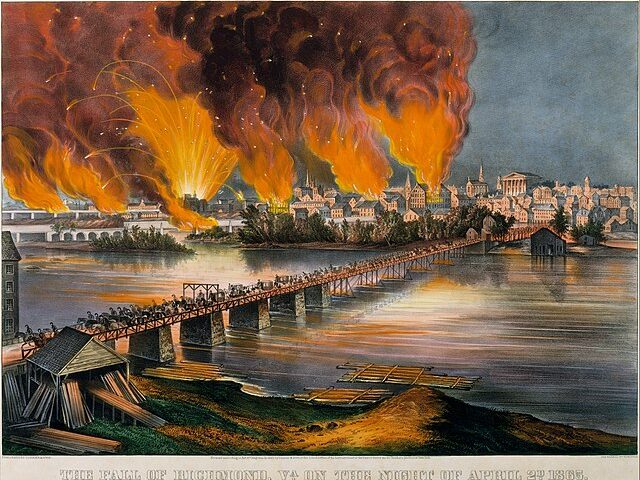
Read MoreOn April 3, 1865, the end of the Civil War looked to be in reach when General Ulysses S. Grant captured the capital of the Confederacy, Richmond, Virginia. The fall of Richmond marked a pivotal moment in the war and represented the beginning of…
Read MoreOn March 11, 1861, in Montgomery, Alabama, delegates from the seceded Southern states adopted the Constitution of the Confederate States of America, a document that at once resembled and diverged from the United States Constitution it sought to replace. Written in the opening weeks…
Read MoreOn February 25, 1870, Hiram Rhodes Revels of Mississippi made history by becoming the first African American to serve in the United States Senate. This moment was not just symbolic—it was a groundbreaking achievement that reflected the fragile but significant progress of Reconstruction, a…
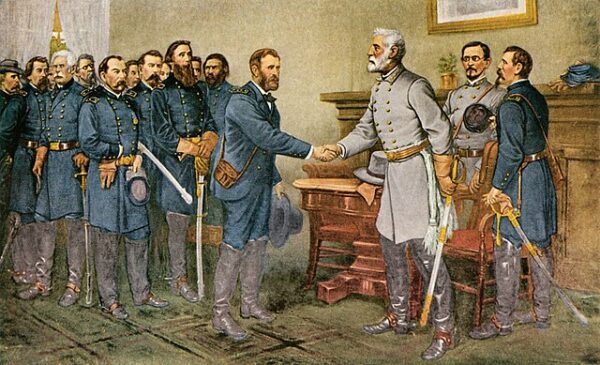
Read MoreOn January 31, 1865, Robert E. Lee was appointed general-in-chief of all Confederate armies, a decision that came during the final, desperate months of the American Civil War. By this point, the Confederacy was struggling against relentless Union advances, and its military situation was…
Read MoreOn January 30, 1862, in the depths of the American Civil War, a vessel unlike any the world had ever seen slid into the waters of New York Harbor. The USS Monitor, squat, low-slung, and almost unsettling in appearance, marked a decisive break with…
Read MoreIn the bleak aftermath of the Battle of Fredericksburg, the Union Army stood stunned—not merely by defeat, but by the scale and clarity of it. On January 26, 1863, President Abraham Lincoln formally relieved Ambrose Burnside of command of the Army of the Potomac,…
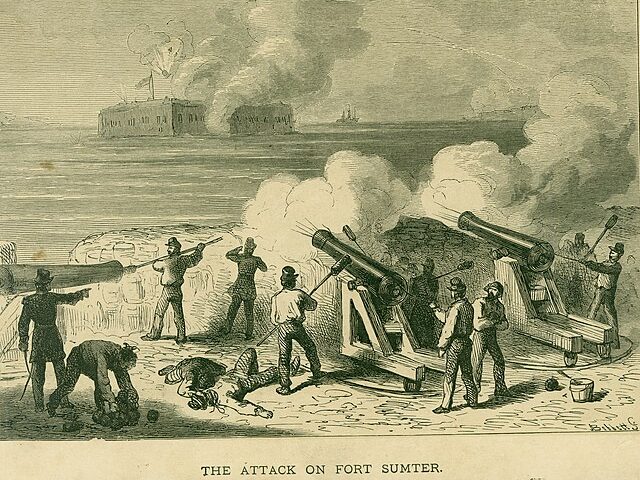
Read MoreOn January 9, 1861, the United States moved one step closer to going to civil war. On that day, A crew on The Star of the West, a ship hired by the U.S. government to supply American troops, found itself caught in between working for…
Read More