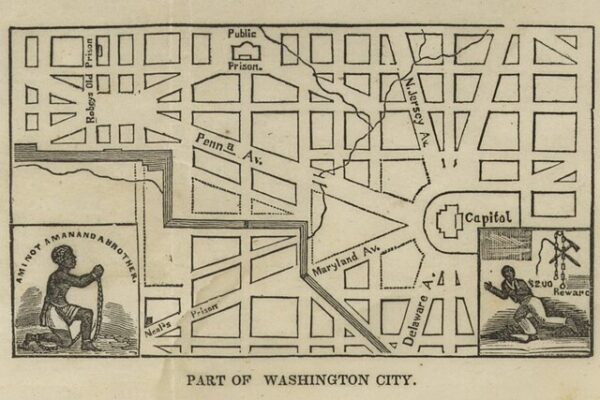
On April 16, 1862, in the midst of a war that had already begun to transform the political and moral landscape of the United States, President Abraham Lincoln signed into law the District of Columbia Compensated Emancipation Act, ending slavery in the nation’s capital.…
Read MoreOn March 3, 1861, amid the brittle stillness of a winter-bound empire, Alexander II signed the Emancipation Manifesto and, with a flourish of imperial ink, detonated one of the oldest social arrangements in Europe. More than 20 million serfs—peasants legally bound to noble estates—were…
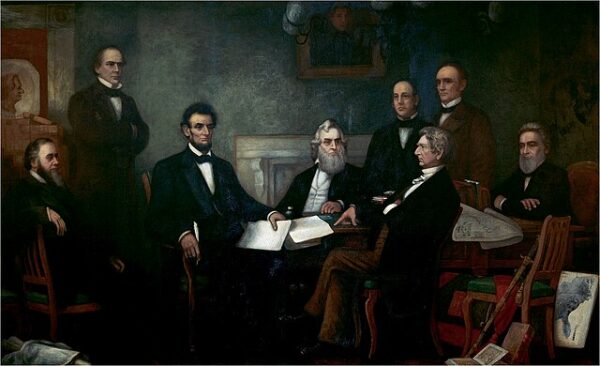
Read MoreOn February 1, 1865, Abraham Lincoln affixed his signature to the Thirteenth Amendment to the United States Constitution, completing the final executive step in abolishing slavery throughout the nation. The act itself—quiet, procedural, and almost anticlimactic—belied the enormity of its meaning. With a few…
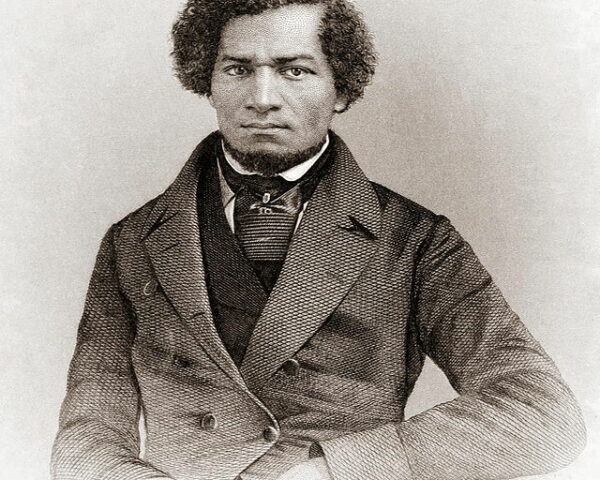
Read MoreOn September 3, 1838, a twenty-year-old enslaved man named Frederick Bailey (later Frederick Douglass) made his bid for freedom. His escape from bondage, carried out with quiet audacity on the railroads and waterways of the Mid-Atlantic, would alter not only the course of his…
Read More