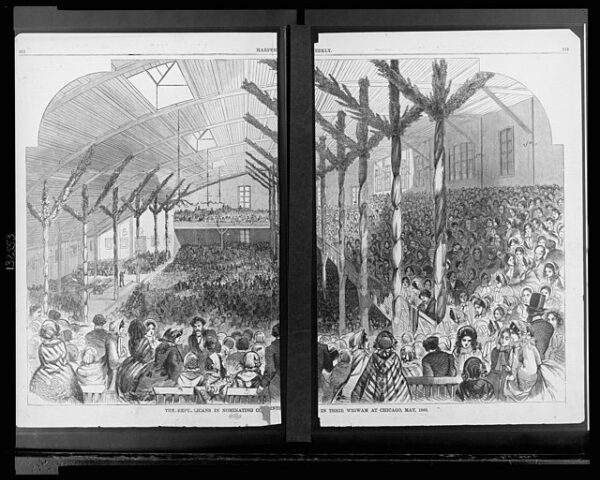
The Republican National Convention of 1860, held from May 16 to May 18 in the bustling city of Chicago, changed the course of American history and led the nation down the road to the Civil War. This convention, taking place in the specially constructed…
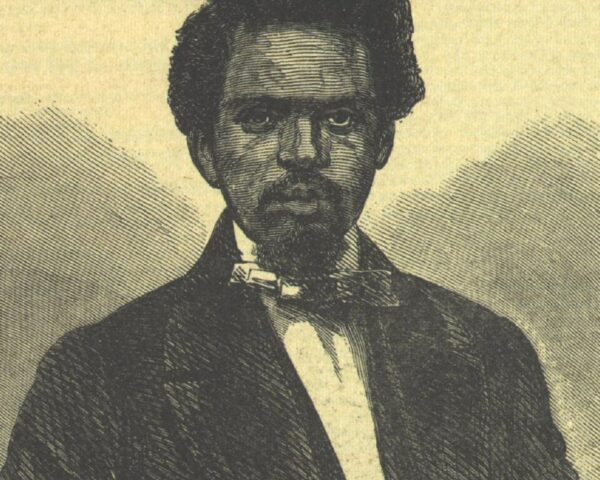
Read MoreOn May 13, 1862, Robert Smalls turned the logic of slavery against the Confederacy. Smalls was 23 years old, enslaved in Charleston, South Carolina, and working aboard the Planter, a Confederate transport steamer used to move troops, supplies, ammunition, and artillery through Charleston Harbor.…
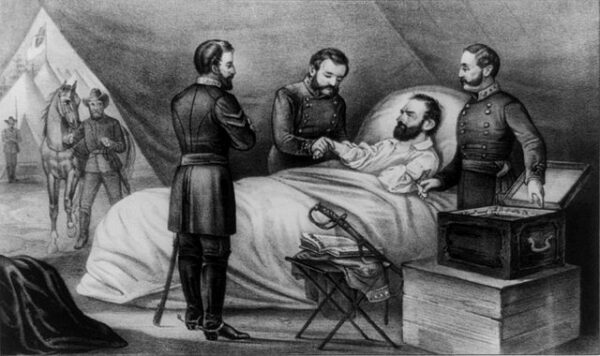
Read MoreOn May 2, 1863, during the American Civil War, General Thomas “Stonewall” Jackson, one of the most renowned figures in the Confederate army, met his fate on the battlefield in a turn of events that would echo through battlefields across the United States. The…
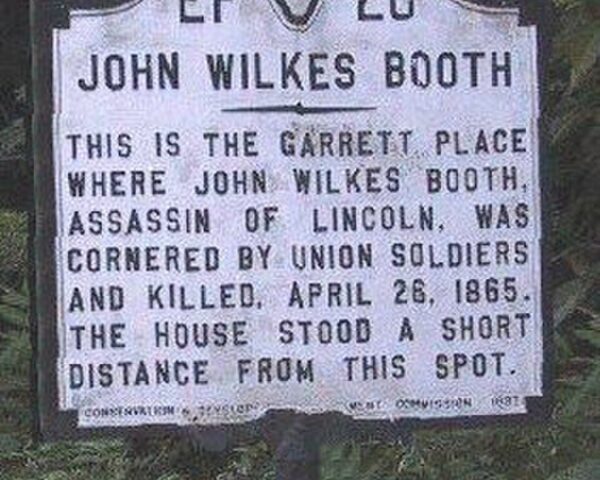
Read MoreOn April 26, 1865, twelve days after the assassination of Abraham Lincoln, Union cavalrymen cornered and killed his assassin, John Wilkes Booth, bringing a dramatic end to one of the most intense manhunts in American history. The confrontation unfolded in rural Virginia, at a…
Read MoreOn April 20, 1861, just days after the outbreak of the American Civil War, Colonel Robert E. Lee resigned his commission in the United States Army, ending more than three decades of federal service and setting in motion one of the most consequential personal…
Read MoreOn April 16, 1862, in the midst of a war that had already begun to transform the political and moral landscape of the United States, President Abraham Lincoln signed into law the District of Columbia Compensated Emancipation Act, ending slavery in the nation’s capital.…
Read MoreOn April 15, 1861, just two days after Confederate forces attacked Fort Sumter, President Abraham Lincoln issued a call for 75,000 militia troops. His goal was to put down what he described as an uprising too strong to be handled by the courts. While…
Read MoreOn the fateful evening of April 14, 1865, President Abraham Lincoln attended a performance of the comedy play “Our American Cousin” at Ford’s Theatre in Washington, D.C. Little did he know that this seemingly ordinary night out would turn into one of the most…
Read MoreThe Battle of Fort Sumter marked the igniting point of the American Civil War, a cataclysmic conflict that tore the nation apart. Situated on an island at the entrance to Charleston Harbor, South Carolina, Fort Sumter held strategic significance as a federal stronghold in…
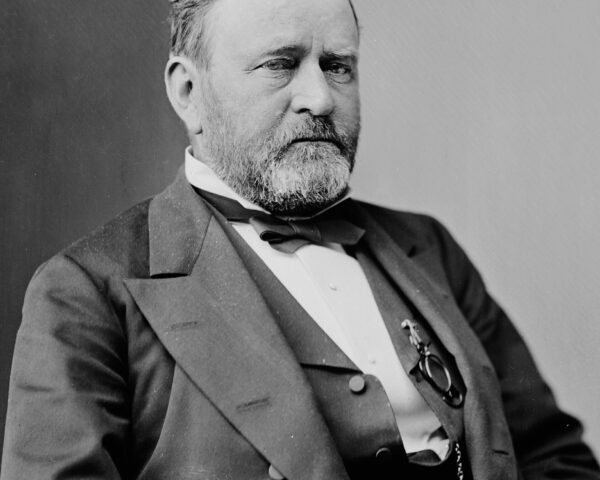
Read MoreOn April 9, 1865, at Appomattox Court House in Virginia, Confederate General Robert E. Lee surrendered to Union General Ulysses S. Grant, marking a critical moment in American history and effectively ending the Civil War. Lee’s decision to surrender came after several military setbacks…
Read More